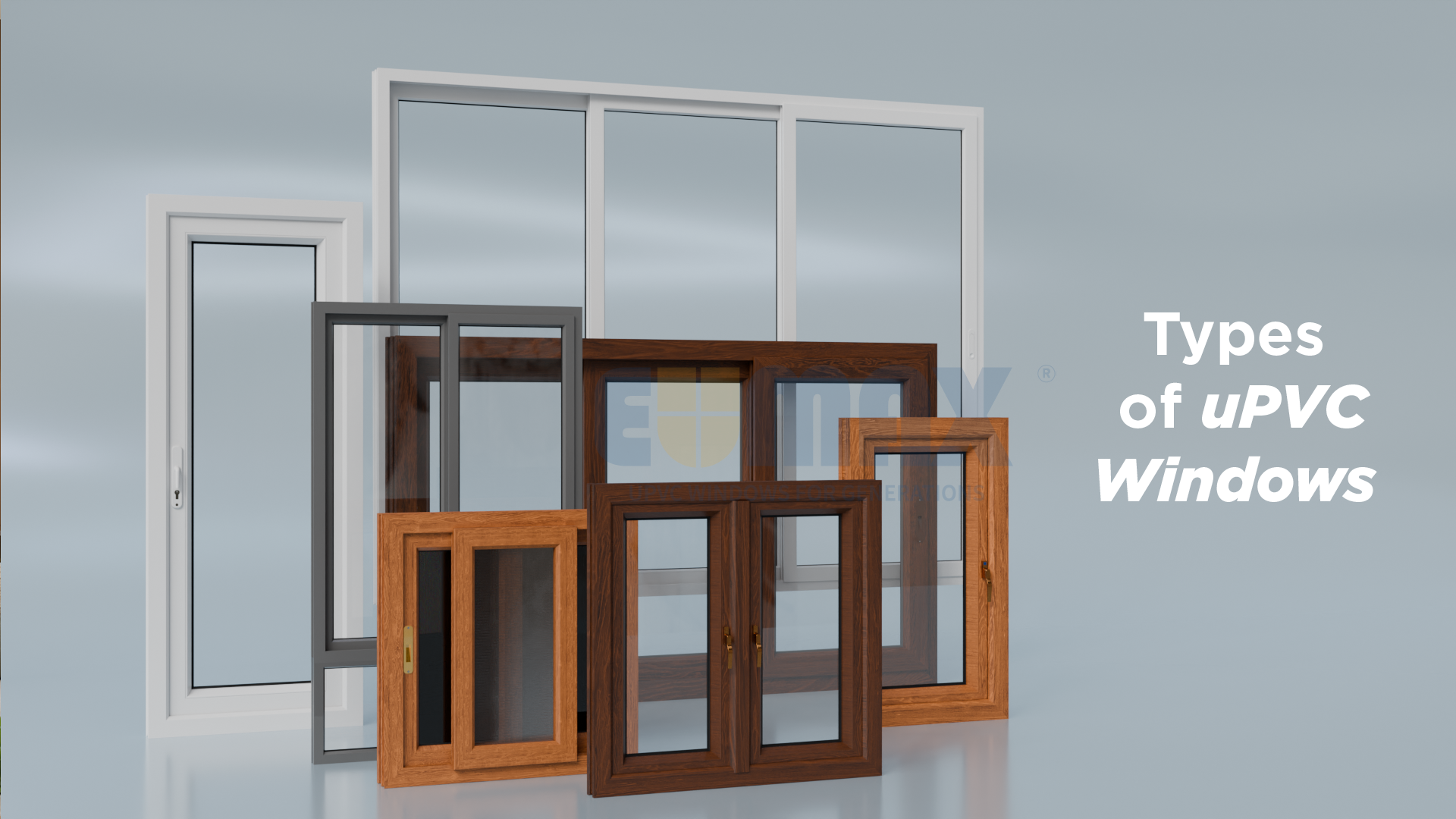
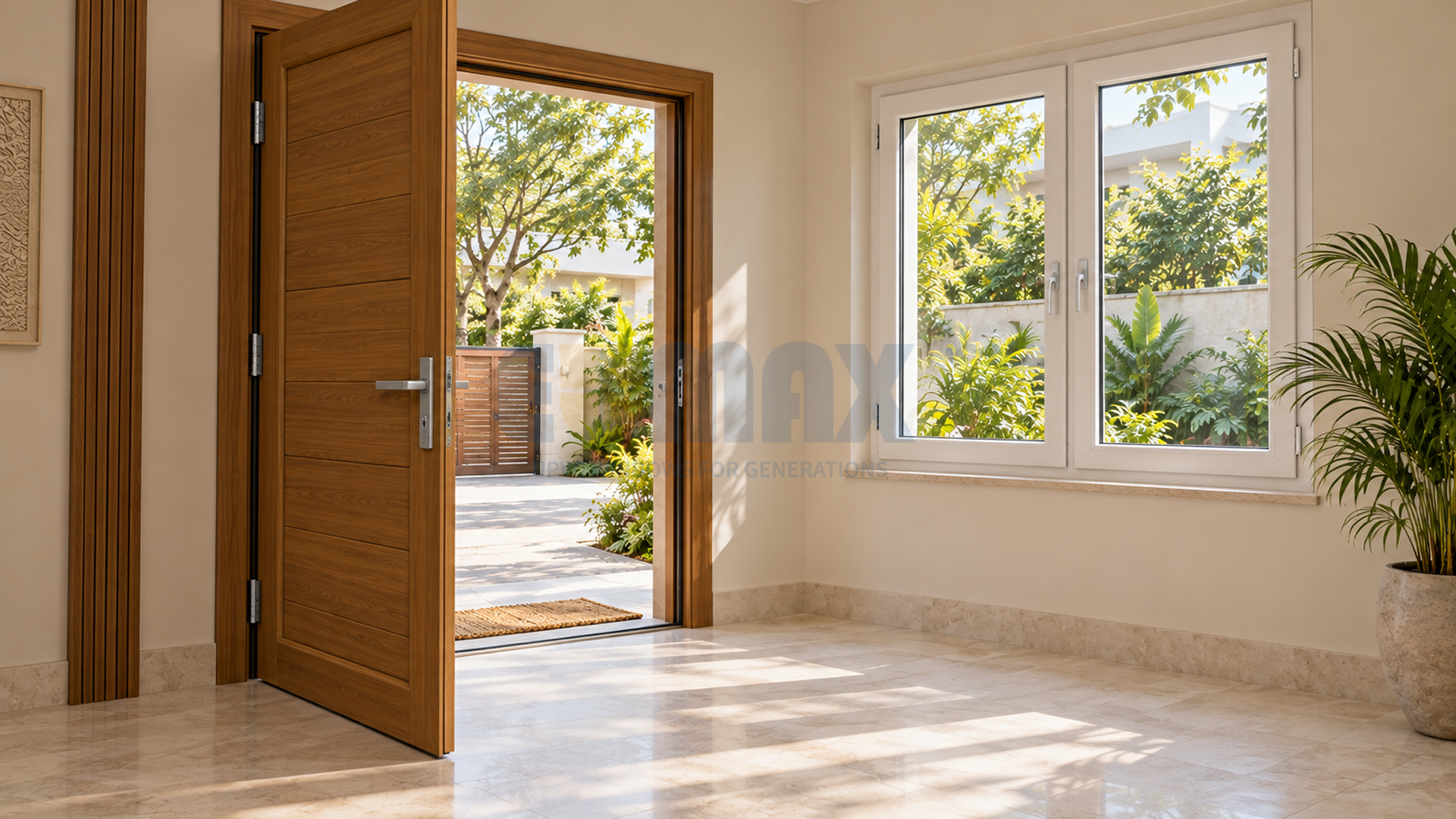
Getting a quote for new windows in Bengaluru can feel like buying a car. The base price sounds fine, then extras add up, and suddenly you are paying 40 percent more than the number you budgeted. uPVC windows price varies more than most buyers expect, and the reason is not arbitrary. There are real variables at work, and once you understand them, a quote stops being a mystery and starts being something you can actually evaluate.
This guide is written by Eumax (Eureka Window System), a Bengaluru-based uPVC windows and doors manufacturer operating out of Nelamangla. We make our own profiles in-house and supply finished windows across Bengaluru and surrounding areas. That means we see the full cost chain: raw material, fabrication, hardware, installation. What follows is an honest breakdown of where that money goes.
Across India, the typical range for uPVC windows price runs from around Rs. 350 per square foot for basic fixed panels to Rs. 1,500 or more for large custom configurations with double glazing, laminated frames, and multi-point locking systems. In Bengaluru specifically, mid-range sliding windows for residential use tend to sit between Rs. 450 and Rs. 850 per square foot, fully installed.
That is a wide range. This guide explains why, and how to figure out where your project should sit within it.
Before diving into pricing, it is worth spending a minute on why this material gets chosen in the first place. Bengaluru has a relatively mild climate by Indian standards, but it is not without challenges. Monsoon season brings sustained humidity and wind-driven rain. Summer temperatures in flats with western exposures regularly push above 35 degrees indoors. And traffic noise on arterial roads like Outer Ring Road or Bellary Road is a genuine quality-of-life problem for apartments that face them.
uPVC addresses all three. The material does not swell or warp with humidity the way timber does. Its thermal conductivity is dramatically lower than aluminium (around 0.17 W/mK vs 160 W/mK for standard aluminium), which reduces heat gain through the frame. And casement uPVC windows, when properly gasket-sealed, can reduce noise transmission significantly compared to a standard sliding aluminium window with worn seals.
Over a 20 to 25 year lifespan, uPVC requires no repainting, no anti-rust treatment, and no pest treatment. That zero-maintenance reality is why it has been the dominant window material in Europe for four decades and is now growing rapidly in Indian tier-1 cities.
The question is not really whether uPVC is worth it. The question is what the right specification is for your project, and what that specification will cost.
The table below gives current reference price ranges for Bengaluru. These are supply-and-install figures for standard white uPVC with single clear glass and basic hardware, for typical residential opening sizes. Prices rise with larger sizes, double glazing, and premium finishes.
(All prices approximate as of 2025. Actual quotations depend on site conditions, quantity, floor level, and specification.)
| Window Type | Size (approx.) | Price Range (per sq ft) | Best For |
|---|---|---|---|
| Sliding (2-track) | 3x4 ft | Rs. 380 to Rs. 650 | Bedrooms, smaller openings |
| Sliding (3-track) | 4x5 ft | Rs. 500 to Rs. 850 | Living rooms, larger spans |
| Casement | 3x4 ft | Rs. 550 to Rs. 950 | Road-facing, acoustic priority |
| Fixed / Picture | Any size | Rs. 350 to Rs. 600 | Light without ventilation need |
| Combination | 5x4 ft | Rs. 600 to Rs. 1,100 | Mixed fixed and opening panels |
| Bay Window | Custom | Rs. 900 to Rs. 1,500+ | Premium homes, corner openings |
| Laminated / Designer | Any size | Rs. 700 to Rs. 1,400+ | Contemporary facades, colour matching |
A few things to note from this table. First, fixed windows are the cheapest per square foot because there are no moving parts, no tracks, and minimal hardware. If you have openings that do not need ventilation (say, a high bathroom fanlight or a staircase landing), fixed panels are a cost-effective way to get natural light without breaking the budget.
Second, bay windows show the widest price range because they involve custom angles, additional structural support, and significantly more fabrication time. If a supplier quotes bay windows at a rate close to a standard sliding window, it is worth asking what they are cutting.
Third, combination windows (fixed plus opening panels in a single frame) are priced higher than simple sliding windows not because the materials cost proportionally more, but because the fabrication is more complex. The fixed and opening sections need to be dimensionally coordinated within a single outer frame, which takes more time.
Every line item in a uPVC windows quote exists for a reason. Here are the eight factors that account for most of the price variation you will see across suppliers and specifications.
The profile is the extruded uPVC bar that forms the frame and sash of your window. Its width (typically expressed in millimetres: 50mm, 60mm, 80mm, 88mm) determines how many internal chambers it has, how thick the walls are, and how large a glazing unit it can carry. Wider, multi-chamber profiles cost more to manufacture and weigh more, but they deliver better thermal insulation and can handle larger openings without bowing.
Eumax manufactures its own uPVC profiles at its Nelamangla plant, covering sliding series from 50mm to 108mm and a 60mm casement system. The 60mm sliding series is suitable for most standard residential windows. The 80mm and 88mm systems are specified for larger spans or where higher wind resistance is needed. The 108mm system is for commercial-scale applications.
A supplier offering a flat rate regardless of profile depth is either using the same profile for everything (which means some openings are under-specified) or is not disclosing the uPgrade charges.
Sliding windows use a two- or three-track system where the sash panels roll along horizontal tracks. They are mechanically simpler and cheaper to produce than casement windows. The trade-off is that the seal between a sliding sash and its frame is a brush or pile seal, not a compressed gasket, which means slightly lower air-tightness.
Casement windows open on hinges (inward or outward) and close against a continuous perimeter gasket. The seal is significantly better, which matters for rooms where noise reduction or air conditioning efficiency is a priority. Casement fabrication requires more hardware (hinges, espagnolette locks, casement stays) and more machining time, which pushes up the cost by 20 to 40 percent compared to a comparable sliding window.
Eumax offers both sliding and casement configurations across its product range, plus combination, fixed, bay, bi-fold, and designer door options. Choosing the right type for each room, rather than one type for the whole project, is often the smarter approach.
Glass typically accounts for 25 to 35 percent of the total uPVC window cost. Choosing between single and double glazing is therefore one of the biggest budget decisions in a project.
Single glazing (a single pane of glass, typically 4mm or 5mm thick) is the baseline. It provides basic protection from weather but does not significantly reduce heat gain or noise. For rooms that are rarely air-conditioned and face quiet internal courtyards, single glazing is a reasonable choice.
Double-glazed units (DGUs) consist of two glass panes with a sealed air or argon-filled gap between them (typically 12mm to 16mm). The thermal resistance of a standard DGU is roughly four times that of single glazing. For any room with air conditioning or significant road noise, the energy savings over three to five years will recover the additional cost of the DGU.
A coustic laminated glass (a PVB interlayer between two panes) is used where noise reduction is the primary goal. Tinted glass or low-emissivity glass coatings are used in south and west-facing windows to reduce solar heat gain. Each of these upgrades adds to the glass cost.
Important note: Eumax supplies uPVC frames, profiles, and hardware. Glass is procured separately by clients or installation teams per project specification. Eumax does not currently sell glass as a product.
uPVC windows price is generally quoted per square foot of overall frame size. But size affects cost in a non-linear way. A 6x5 ft window is not simply three times the cost of a 2x5 ft window. Larger frames need steel reinforcement of a heavier gauge, longer runs of hardware, and more careful installation to keep the frame square during fitting.
On the other hand, very small windows (under 4 square feet) can cost more per square foot than mid-size windows because the fixed setup and fabrication costs (corner welding, hardware fitting, quality check) are spread over fewer square feet.
If you are buying multiple windows for a project, the total area matters for pricing. Most suppliers work on a sliding scale where a higher total area means a better per-unit rate.
Hardware includes handles, locks, hinges, rollers (for sliding systems), and gaskets. This is one of the most underestimated cost variables in a uPVC window quote.
A standard zinc die-cast handle and single-point lock might cost Rs. 400 to Rs. 600 per window. A multi-point locking system from a European hardware brand (ROTO, SIEGENIA, Giesse) can cost Rs. 2,500 to Rs. 5,000 per window before fitting. The functional difference is real: a multi-point lock engages at three or more points around the frame when you close the window, creating even gasket compression all around the sash. A single-point lock only pulls the frame tight at one spot.
Roller quality determines how long a sliding window operates smoothly. Cheap nylon rollers wear within two to three years on heavy panels. Stainless steel or heavy-duty nylon rollers with bearings last significantly longer and handle heavier glass weights without binding.
Eumax specifies hardware from verified suppliers that are compatible with the profile series. Substituting hardware from outside the specified range can affect both fit and warranty.
Standard white uPVC is the base price point. It is also the most durable finish because the white colour reflects solar radiation rather than absorbing it, which reduces thermal stress on the profile.
Coloured and laminated profiles cost more. Eumax offers a laminated series where profiles are manufactured with a factory-bonded decorative film in woodgrain, grey, anthracite, bronze, and other finishes. The laminate adds Rs. 150 to Rs. 400 per square foot to the base price depending on the finish type, because the lamination process is done separately before fabrication, and the cut ends and weld areas require additional sealing steps.
Foiled profiles in dark colours (anthracite, dark brown) do absorb more heat than white profiles and should be specified with that in mind for south or west-facing openings. Some European standards cap the use of dark laminates in high solar exposure zones. Bengaluru's climate is mild enough that this is rarely a structural problem, but it is worth knowing.
Installation typically adds Rs. 80 to Rs. 200 per square foot on top of the supply price. What drives the variation is the site condition.
Replacing an existing window in an already-formed opening (retrofit) is relatively straightforward. The old frame is removed, the new frame is set into the opening, levelled, and fixed. Any gap between the new frame and the masonry is filled with polyurethane foam and sealed. This takes two to four hours per window for a skilled two-person team.
New construction or modification of existing openings is more involved. If the opening needs to be widened or a lintel moved, masonry work happens before installation. After the window is in, the finish plaster and paint around the frame needs to be redone. These civil works are usually quoted separately and should be confirmed in writing before you accept a quote.
Floor level matters too. Ground-floor installations require no scaffolding. Upper floors typically need scaffolding or rope access for external work, which adds to the cost. For high-rise projects in Bengaluru, floor-level surcharges from installation teams are standard practice.
Several common additions to a window order are priced separately from the base window. Mosquito mesh is one of the most requested in Bengaluru, given the city's monsoon season. Fitted mesh frames slide or fold within the window track system and add Rs. 60 to Rs. 150 per square foot depending on mesh type (fibreglass is cheaper; stainless steel mesh costs more but lasts longer).
Grilles (internal or external) are often requested for ground-floor or lower-floor windows. Steel grilles are fabricated separately and either welded into the frame or fitted as a removable insert. Decorative uPVC grille bars can be applied internally to divide the glass aesthetically without reducing the clear opening.
Door closer mechanisms, fly screens, roller shutters, and child-safety restrictors are further add-ons that your supplier should price separately. Always ask for an itemised quote so you can see what is in the base price and what is being added on.
The table below maps the key specification choices against their budget and premium expressions to give you a clearer picture of where costs scale.
| Factor | Budget Option | Premium Option |
|---|---|---|
| Glazing | Single (4mm clear) | DGU with acoustic or tinted glass |
| Profile system | 50mm or 60mm sliding | 88mm or 108mm, casement or laminated |
| Hardware | Standard handle and lock | Multi-point lock, branded hardware |
| Colour / finish | White (standard) | Woodgrain, grey, anthracite laminate |
| Installation | Simple replacement, no civil work | New opening, masonry rework, grouting |
A practical example: a 3-bedroom flat in Bengaluru with 10 windows of average size (roughly 3x4 ft each) and 2 doors. If all windows are the 60mm sliding type with single glass, standard hardware, and white frames, the supply-and-install cost might come to Rs. 3.5 to Rs. 5 lakhs total. Upgrading those same windows to double glazing with branded hardware adds roughly Rs. 1 to Rs. 1.5 lakhs. Upgrading some windows to casement type for noise-sensitive rooms adds another Rs. 30,000 to Rs. 50,000.
These are rough indicative figures, not quotes. Every project needs its own measurement and site assessment before accurate pricing is possible.
Buyers often compare uPVC against aluminium and timber. Here is how the numbers actually stack up.
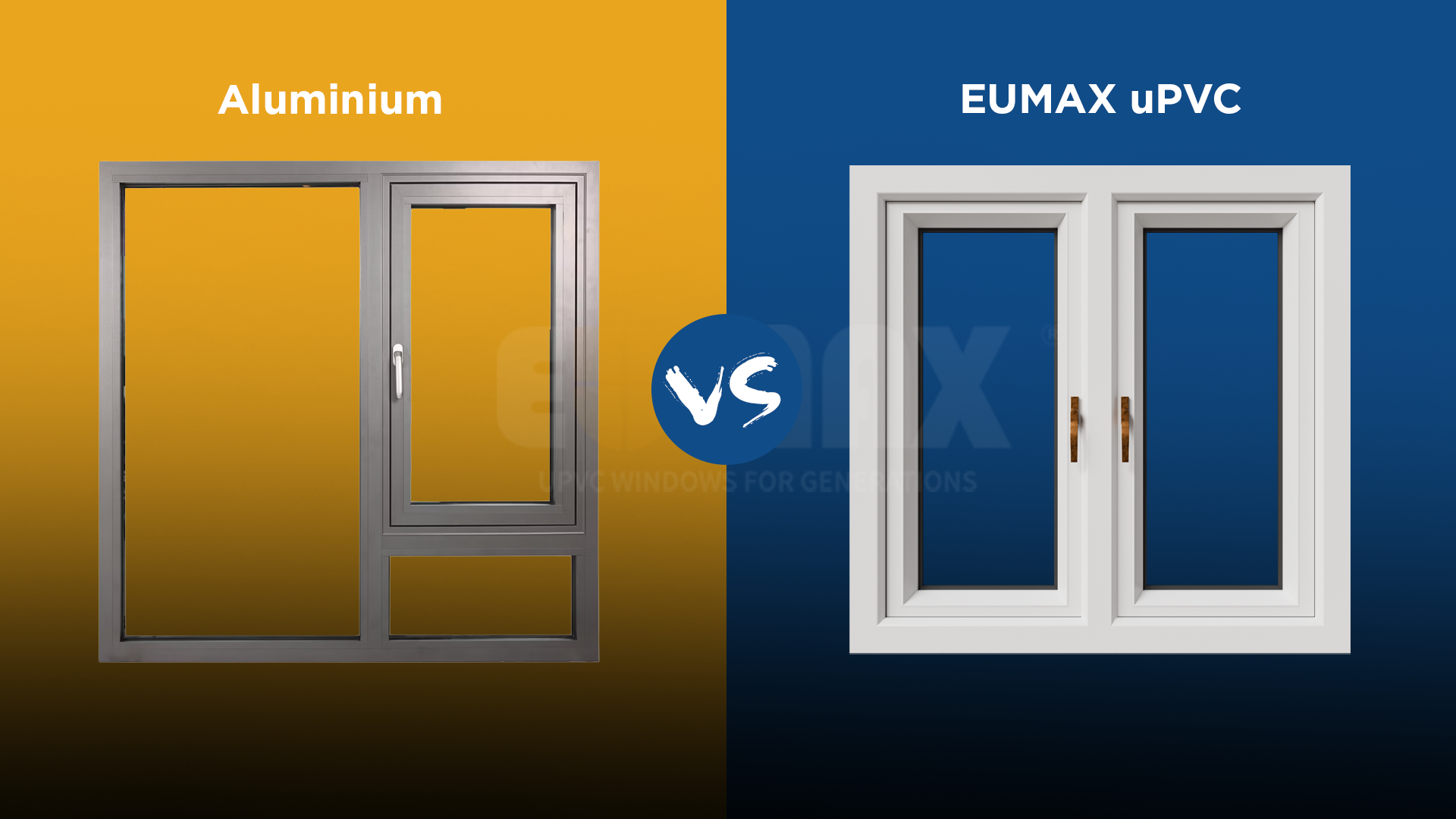
Standard aluminium sliding windows in Bengaluru cost Rs. 200 to Rs. 450 per square foot, which looks cheaper than uPVC. But standard aluminium frames are not thermally broken. They conduct heat readily, which increases the thermal load on air-conditioned spaces. Thermally broken aluminium frames (which have a polymer insert to interrupt the thermal path) cost Rs. 700 to Rs. 1,200 per square foot, which puts them squarely in uPVC territory or above.
Aluminium corner joints are mechanical, not welded. Over time, the corner keys can loosen, creating small gaps that let in air and eventually water. uPVC corners are fusion welded, which makes the corner monolithic when done correctly.
Aluminium does hold an advantage in one scenario: very large commercial openings where structural stiffness over spans greater than 2.5 metres is needed without additional reinforcement. For standard residential openings, uPVC with steel reinforcement is more than adequate.
Hardwood timber windows from established suppliers in Bengaluru cost Rs. 600 to Rs. 1,200 per square foot initially, comparable to mid-range uPVC. But timber requires repainting every three to four years and anti-pest treatment regularly. In a 25-year period, maintenance costs on timber can easily equal or exceed the original purchase cost.
Timber also moves with moisture. Bengaluru's monsoon seasons introduce and then withdraw humidity from the air repeatedly over the year. Wood swells slightly in the wet season and shrinks in the dry season. This seasonal movement affects seals and can cause frames to bind or gaps to appear.
uPVC does not move with humidity. Its dimensional stability is a meaningful practical advantage in Bengaluru's climate.
A few things that experienced buyers know, which first-time buyers often find out the hard way.
Always ask for a quote that breaks down profile cost, glass cost, hardware cost, and installation separately. Package prices (Rs. X per square foot for everything) make it impossible to understand what you are comparing across suppliers. One supplier's Rs. 600 per square foot might include branded hardware and DGU. Another's might be single glass with generic locks. The only way to compare fairly is to line up the same specification.
Ask the supplier which profile series is being used for each window type and request the profile data sheet. A reputable manufacturer will have this. Check the main frame wall thickness and number of chambers. If the supplier cannot provide this information, that tells you something.
Not every window needs the same specification. A bathroom window that opens for ventilation but faces an internal shaft does not need DGU or premium hardware. A bedroom window facing Outer Ring Road with an air conditioner in it probably does. Spec each window for its actual use case and acoustic or thermal requirement, rather than applying one specification to all openings.
In the Bengaluru uPVC market, you will see a wide range of supplier names from local fabricators to national brands. A national brand name does not guarantee better fabrication. What matters is whether the fabrication is done on proper CNC equipment with calibrated welding machines, correct steel reinforcement, and verified hardware fitting. Ask to visit the fabrication facility, or at a minimum ask about the equipment used.
Eumax runs a dedicated fabrication training centre at Nelamangla and trains its channel partners directly. This means the windows supplied by Eumax's dealer network follow a verified fabrication process, not an informal one.
Most uPVC window suppliers offer a 10-year warranty on the profile and a shorter warranty on hardware (typically 1 to 3 years). Read what the warranty actually covers. A warranty that covers material defects but not workmanship issues is much weaker than one that covers both.
Also ask what the resolution process is if you find a defect after installation. Does the supplier have a service team in Bengaluru? Or does a claim require correspondence with a head office in another city? For a Bengaluru-based buyer, a supplier with a local service presence is meaningfully different from one without it.
uPVC windows are custom-fabricated to your opening dimensions. Unlike aluminium or timber, you cannot trim a finished uPVC frame on site. If your opening is 1,220mm wide and you order a 1,250mm frame, the frame will not fit. Always have opening dimensions measured by the supplier or a qualified person before the cut list is prepared. For irregular openings, share photos and ask for a site visit.
Confirm explicitly what the quote does not include. Civil works (plastering, painting around frames), mosquito mesh, glass (if separate), disposal of old frames, and scaffolding are all commonly excluded from base uPVC window quotes. A Rs. 4 lakh quote can become Rs. 5.5 lakhs with these additions if you have not asked upfront.
Use this list when meeting or calling a supplier for a quote.
A 2 BHK flat typically has 6 to 8 windows and 2 to 3 doors. With standard 60mm sliding windows, single glass, and basic white frames, a minimum supply-and-install budget of Rs. 1.5 to Rs. 2.5 lakhs is realistic for the windows alone. Doors add Rs. 15,000 to Rs. 40,000 each depending on type and size. This is a rough planning figure; get a site-measured quote for accuracy.
GST on uPVC windows and doors is 18 percent as of 2025. Most supplier quotes are given exclusive of GST, especially for B2B or project orders. Confirm whether the quoted price includes or excludes GST before comparing quotes from different suppliers.
Buying from a manufacturer that also does fabrication and installation (like Eumax) removes one or two layers of intermediary margin. In practice, the difference per square foot may not be dramatic, but you do get a cleaner accountability chain: one company is responsible for the profile, the fabrication, and the installation, which simplifies any post-installation service claims.
Standard lead time for fabrication and delivery after site measurement is 10 to 20 working days for most residential orders. Larger orders, custom profiles, or laminated frames take longer. Installation itself typically takes one to three days for a standard 2 to 3 BHK flat depending on the number of windows and whether any civil work is involved
For air-conditioned spaces with DGU and a well-sealed casement system, yes, the reduction is measurable. The exact saving depends on the size of the glazed area, the glass specification, and how heavily the AC runs. Buildings in Bengaluru with large west-facing glass areas often see the most impact. A solar heat gain coefficient (SHGC) glass specification targeted at reducing solar transmission can make a meaningful dent in afternoon cooling loads.
Yes. Eumax offers a laminated series in woodgrain, grey, anthracite, bronze, and other finishes. Laminated profiles are available across the sliding and casement series. The colour laminate is factory-applied to the profile before fabrication, which means the finish is consistent and does not need periodic reapplication.
Eumax is not the only uPVC supplier in Bengaluru. But it occupies a specific position in the market that makes it worth considering alongside the national brands.
The company manufactures its own profiles at Nelamangla, which means it controls raw material quality, extrusion parameters, and profile specifications from the start. Most Bengaluru window companies are fabricators who buy profiles from external suppliers. When something goes wrong (a profile crack, a dimensional issue, a surface defect), the fabricator is dependent on the profile supplier to acknowledge and resolve it. Eumax does not have that gap.
The Eumax profile range covers the full spread of residential and commercial requirements: five sliding series (50mm to 108mm), a 60mm casement system, a laminated series, and a full range of window and door types including sliding, casement, fixed, combination, bay, bi-fold, and designer doors.
The company also runs a fabrication training centre that certifies channel partners, which means the fabrication quality of Eumax-branded windows follows a verified process rather than an informal one. For buyers, that is a practical assurance that matters more than marketing language.
Eumax holds ISO 9001 certification and has an in-house quality management team at Nelamangla.
If you are based in Bengaluru and want a site visit or a detailed quote, the team at Eumax can be reached at eumaxupvc.com or +91 88844 88536.
uPVC windows price in Bengaluru is not a single number. It is a range shaped by the profile series, the glass, the hardware, the finish, the installation complexity, and the accessories you choose. A fully specified casement window with DGU, branded multi-point locks, and a laminated finish will cost four times what a basic sliding window with single glass and standard hardware costs.
Neither end of that range is wrong. What matters is matching the specification to the actual requirement of each room and opening, then getting that specification priced transparently by a supplier who can deliver what they quote.
The questions in this guide will help you do that. The cost table gives you a realistic reference for Bengaluru. And if you want Eumax specifically to take a look at your project, the team is at Nelamangla with the full capability to supply, fabricate, and install across the range.
Good windows are not an expense. They are one of the few home improvements that pay you back in reduced maintenance, lower energy bills, and better daily comfort for the entire time you live in the building.
If you've ever searched for modern doors, windows, or plumbing solutions, you've likely come across two important acronyms: CPVC and UPVC. While both belong to the PVC polymer family, they are quite different in composition, properties, and application. At Eumax, we get this question often — and we're here to break it down clearly.
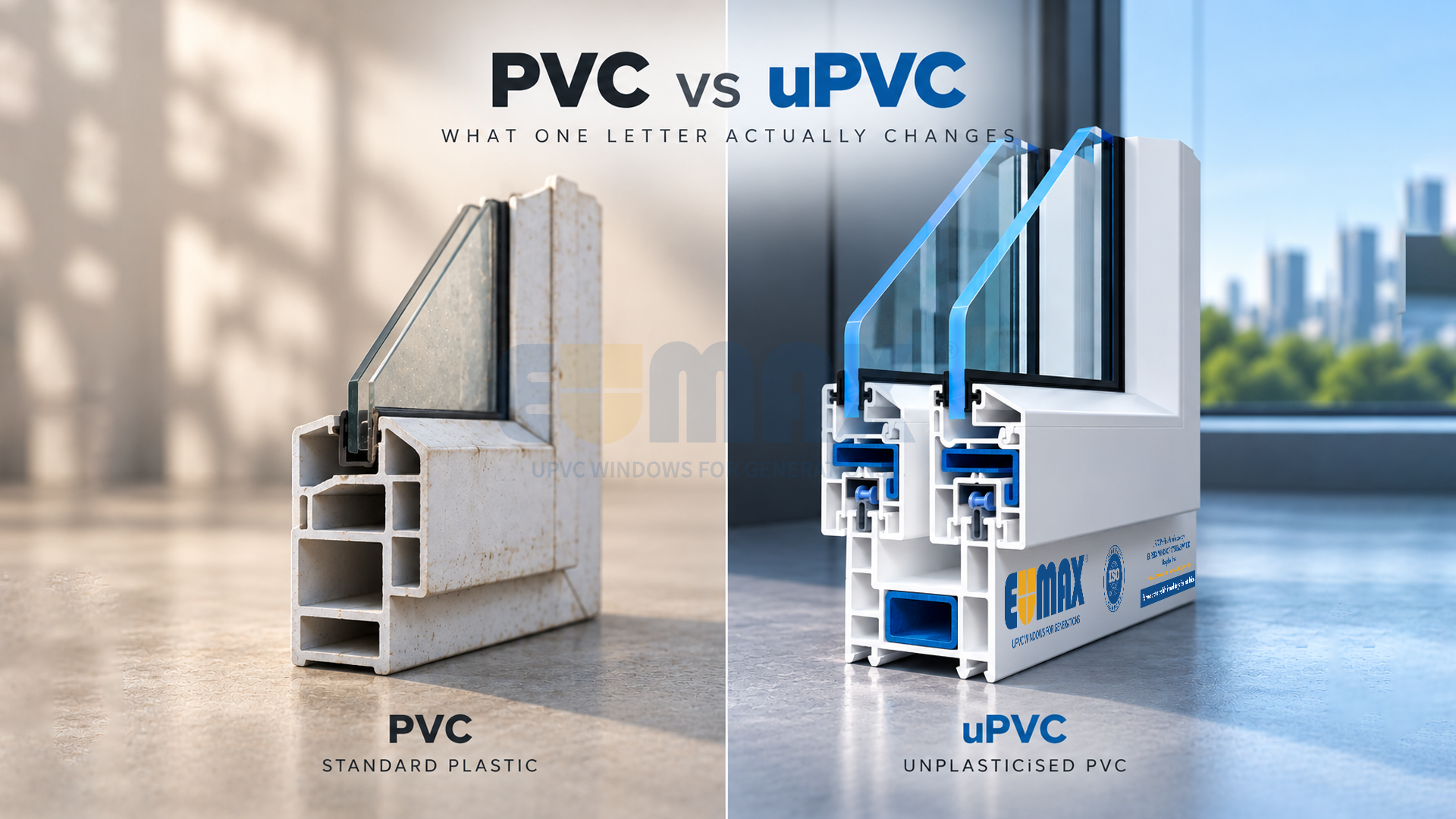
Before diving into the differences, let's understand the fundamentals. What is CPVC and UPVC exactly? Both are derived from Polyvinyl Chloride (PVC), one of the world's most versatile thermoplastics. However, they are processed and chemically structured differently, which gives them unique properties suited for different applications.
UPVC stands for Unplasticised Polyvinyl Chloride. It is PVC in its rigid, unmodified form — no plasticisers are added to the compound, which makes it hard, stiff, and highly durable. CPVC, or Chlorinated Polyvinyl Chloride, is produced by further chlorinating PVC resin, increasing its chlorine content from approximately 56–57% to 63–69%. This extra chlorination step is what gives CPVC its superior heat resistance.
When people ask what CPVC and UPVC from a chemical standpoint, the answer lies in their molecular structure. UPVC is rigid because it contains no softening additives — the polymer chains are tightly packed, creating a hard material resistant to impact and weathering. CPVC, on the other hand, undergoes an additional chlorination process that alters its molecular structure, allowing it to retain structural integrity at much higher temperatures than UPVC.
This distinction is not just academic. It directly impacts which material is right for which job. Understanding what is CPVC and UPVC from a composition perspective helps engineers, architects, and homeowners make informed choices about their construction and plumbing needs.
Here's a detailed comparison of the two materials to help you better understand what is CPVC and UPVC in practical terms:
| Feature | CPVC | UPVC |
|---|---|---|
| Full Form | Chlorinated Polyvinyl Chloride | Unplasticised Polyvinyl Chloride |
| Chlorine Content | 63–69% | 56–57% |
| Heat Resistance | Up to 93°C | Up to 60°C |
| Primary Use | Hot & cold water plumbing | Doors, windows, frames, pipes |
| Flexibility | Slightly more flexible | More rigid |
| Cost | Slightly higher | More affordable |
| Weather Resistance | Good | Excellent |
| Fire Resistance | High — self-extinguishing | Moderate |
| Colour Options | Limited (usually off-white) | Wide variety available |
CPVC is increasingly being recognised as a robust material in the doors and windows segment, thanks to its superior dimensional stability and resistance to temperature fluctuations. Its higher chlorine content ensures that door and window profiles made from CPVC do not warp, swell, or degrade even in extreme heat conditions — making it especially well-suited for regions with harsh summers. When you ask what CPVC and UPVC are in the context of doors and windows, CPVC profiles offer an added layer of thermal performance, ensuring that frames and shutters retain their shape and performance year after year. At Eumax, our expertise in advanced PVC compounds means every product is engineered to deliver lasting strength, whether it's for a home, office, or commercial establishment.
UPVC truly shines in construction and architecture. Its rigidity, dimensional stability, and low maintenance requirements make it the material of choice for windows, door frames, roofline products, and cladding. One of the most exciting innovations in this space is the range of uPVC Designer Doors available at Eumax — combining elegant aesthetics with the unmatched durability and thermal insulation properties of UPVC. These doors are weather-proof, termite-resistant, and require virtually zero upkeep, making them ideal for Indian climatic conditions.
For homeowners looking to maximise space and natural light, Eumax's 108mm Sliding Series is a standout product line. This premium UPVC sliding system is engineered for smooth operation, superior sealing, and energy efficiency — an ideal solution for modern homes, villas, and commercial spaces that demand both form and function.
Eumax Insight: Whether you're retrofitting an existing home or building from scratch, UPVC products from Eumax — including the Designer Door range and the 108mm Sliding Series — are designed to last decades with minimal maintenance, making them one of the best long-term investments in home improvement.
A frequently asked question when exploring what is CPVC and UPVC is how these materials perform in terms of thermal insulation. UPVC is an exceptionally poor conductor of heat — significantly better than aluminium or steel. This means UPVC doors and windows drastically reduce heat transfer, keeping interiors cooler in summer and warmer in winter. For Indian homes where energy efficiency is increasingly critical, this is a game-changing advantage.
CPVC, while also thermally insulative, is chosen specifically because it can endure heat rather than simply block it. It doesn't soften or warp when carrying hot water, maintaining structural integrity even in demanding thermal environments.
Both materials are RoHS compliant and free from heavy metals, making them safer alternatives to traditional materials like lead pipes or treated wood. UPVC is 100% recyclable and has a significantly lower carbon footprint compared to materials like aluminium during production. CPVC is fire-retardant and self-extinguishing, which adds a critical layer of safety to buildings where it is used for plumbing or electrical conduit applications.
Understanding what is CPVC and UPVC from an environmental lens also reveals that both materials have a long operational lifespan — often 50+ years — which reduces the need for frequent replacements and minimises material waste over time.
The choice between CPVC and UPVC depends entirely on the application. If you're laying plumbing lines, especially for hot water, CPVC is the right choice. If you're looking for long-lasting, low-maintenance solutions for doors, windows, or cladding, UPVC is your answer. And if you want beautifully designed products in both categories, Eumax has you covered.
Still unsure about what is CPVC and UPVC and which suits your project best? The experts at Eumax offer personalised consultations to help you select the perfect material and product range based on your specific requirements — whether it's a residential renovation or a large-scale commercial development.
At eumaxupvc.com, we bring over a decade of expertise in UPVC fabrication and installation. Our product portfolio is built on the principle that quality, design, and performance should never be a compromise. From the sleek lines of our uPVC Designer Doors to the precision engineering of our 108mm Sliding Series, every Eumax product is crafted to exceed expectations.
We believe that knowing what is CPVC and UPVC is just the beginning. The real value lies in choosing products that are backed by trusted expertise, quality raw materials, and reliable after-sales support — which is exactly what Eumax delivers.
Key Takeaway: CPVC and UPVC are both high-performance PVC variants — CPVC excels in high-temperature plumbing applications, while UPVC dominates in construction for doors, windows, and architectural profiles. For premium UPVC solutions tailored to Indian homes and commercial spaces, Eumax is the trusted name.
Ready to upgrade your home with premium UPVC solutions? Explore our full range of Designer Doors, Sliding Series & more at eumaxupvc.com
Planning a home renovation or constructing a new property in Bengaluru? Understanding uPVC windows price is one of the most critical steps to making a smart, budget-friendly decision and this guide walks you through everything you need to know.
From independent apartments in Whitefield to sprawling villas in Sarjapur Road, more Bengaluru homeowners are switching to uPVC windows every year. The reasons are compelling: excellent thermal insulation, low maintenance, noise reduction, and long-lasting durability. But when it comes to actual costs, many buyers find themselves overwhelmed by the wide range of quotes they receive. That's where clarity matters most.
At Eumax uPVC (eumaxupvc.com), we believe an informed buyer is a happy buyer. In this comprehensive guide, we break down what drives uPVC windows price in Bengaluru, provide a realistic cost table, and share professional buying tips so you never overpay or compromise on quality.
Bengaluru's urban density, unpredictable monsoons, and growing noise pollution have created the perfect conditions for uPVC windows to thrive. Unlike wood, which warps in humidity, or aluminium, which conducts heat, uPVC (Unplasticised Polyvinyl Chloride) is dimensionally stable, rust-proof, and an excellent acoustic barrier, qualities that resonate deeply with city living.
Add to that the city's focus on energy-efficient construction under GRIHA and IGBC green building norms, and it's easy to see why architects and interior designers are specifying uPVC windows as their first choice across residential and commercial projects alike.
The price of uPVC windows is not a fixed number — it varies based on several interrelated factors. Understanding these will help you compare quotes apples-to-apples.
The profile system is the backbone of any uPVC window. Thicker profiles with more internal chambers offer superior insulation and structural strength. For example, Eumax's 60mm casement window series is engineered for mid-to-high-rise residential projects where wind load resistance and energy efficiency are paramount. A 60mm system naturally commands a higher price than a basic 40mm or 50mm profile, but delivers significantly better long-term performance.
The style of window you choose plays a major role in pricing. Fixed windows are the most economical. Single-sash casements sit in the mid-range. Complex configurations — such as large-format uPVC sliding windows with multiple panels — require more material and precision hardware, pushing the price higher. Bay windows or tilt-and-turn styles are premium options that cost more still, but offer remarkable ventilation control.
Glass often accounts for 30–45% of the total uPVC window price. Single glazing is the base option. Double glazing with an argon-filled gap dramatically reduces heat transfer and outdoor noise — ideal for homes near Outer Ring Road or Hosur Road. Laminated safety glass, tempered glass, or Low-E coated glass add further to the cost but are recommended for south- and west-facing openings that receive intense Bengaluru afternoon sun.
Since uPVC windows are typically priced per square foot, larger openings naturally cost more. Custom sizes cut to non-standard dimensions may also carry a small fabrication surcharge. Standard sizes available in Eumax's range minimise waste and reduce lead times.
Premium multipoint locking systems, friction stays, soft-close hinges, and mosquito mesh frames are add-ons that raise the final uPVC windows price but meaningfully improve daily usability and security. Branded European hardware carries a noticeable premium over generic alternatives — and the difference in long-term performance is equally noticeable.
Standard white is the most affordable option. Woodgrain foil laminates on both sides (e.g., mahogany or walnut finishes) add a premium of 15–25% but give a warm, natural aesthetic that appeals to traditional home styles. Solid colour laminates like anthracite grey or cream are also popular in contemporary Bengaluru interiors.
Straightforward ground-floor installations cost less than upper-floor work requiring scaffolding or crane access. Demolition of existing frames, waterproofing, and finishing plasterwork may be quoted separately. Always ask for a fully installed price — not just the window unit price — to avoid surprises.
The table below provides indicative price ranges for common window configurations in Bengaluru. These are installed prices per square foot, inclusive of glass, hardware, and standard installation on accessible floors. The actual uPVC windows price may vary based on project specifics.
| Window Type | Glass Type | Price Range (₹/sq ft) |
|---|---|---|
| Fixed / Picture Window | Single Glazing | ₹350 – ₹500 |
| Casement (Outward Opening) | Single Glazing | ₹500 – ₹700 |
| Casement (60mm Series) | Double Glazing | ₹850 – ₹1,200 |
| uPVC Sliding Windows (2-track) | Single Glazing | ₹450 – ₹650 |
| uPVC Sliding Windows (2-track) | Double Glazing | ₹750 – ₹1,050 |
| Tilt & Turn Window | Double Glazing | ₹1,100 – ₹1,600 |
| Bay / Combination Window | Double Glazing (Low-E) | ₹1,400 – ₹2,200 |
Note from Eumax: The above figures represent typical market ranges in Bengaluru as of 2025. Eumax's competitive pricing delivers certified-quality profiles, European-grade hardware, and factory-trained installation — ensuring you receive real value at every price point. Request a free customised quote at eumaxupvc.com.
A temptingly low uPVC window price often conceals hidden costs: thin profiles that flex under wind load, low-quality glass that fogs up within two monsoon seasons, hardware that sticks or fails within a year, and sealant that cracks, allowing water infiltration. Repairing or replacing windows prematurely can cost two to three times the original savings.
Certified uPVC profiles, tested to IS 14734 and BIS standards, maintain their structural integrity for 25 to 40 years — making the higher upfront uPVC windows price of quality products a sound investment. At Eumax, all profiles are sourced from accredited manufacturers with verifiable test certificates available on request.
Based on our experience across thousands of installations in Bengaluru, here are the tips our customers find most valuable when evaluating uPVC windows price:
Eumax uPVC has built its reputation in Bengaluru by combining transparent pricing with uncompromising material quality. Whether you're looking for a budget-friendly standard casement, the advanced performance of our 60mm casement window series, or the sleek convenience of uPVC sliding windows for a modern apartment — Eumax has a solution calibrated to your needs and your budget.
Our in-house fabrication facility allows us to maintain tight quality control at every step, and our factory-trained installation teams ensure your windows are fitted to the same standard they were built to. The result: a product that looks beautiful from day one and continues to perform flawlessly through Bengaluru's humid summers, heavy monsoons, and cool winters.
When you invest in uPVC windows priced transparently and delivered with integrity, you invest in comfort, security, and long-term value for your home. That is the Eumax promise.
Ready to get your free quote? Visit eumaxupvc.com to talk to a Eumax window specialist for a detailed, no-obligation uPVC windows price estimate tailored to your Bengaluru home.
Environmentally Friendly Windows are no longer just an architectural trend—they’ve become a necessity in India’s rapidly evolving real estate landscape. As cities expand, temperatures rise, and energy costs increase, homeowners and developers are actively seeking smarter, long-term solutions that combine sustainability with performance.
Windows, often overlooked in design decisions, play a critical role in energy efficiency, indoor comfort, and environmental impact. Today, environmentally conscious window systems—especially uPVC solutions—are reshaping how modern homes are built and experienced.
This shift isn’t just about reducing carbon footprints; it’s about creating homes that are future-ready, cost-efficient, and aligned with global sustainability standards.
India is witnessing a massive transformation in urban development. With increasing awareness of climate change, green building certifications like IGBC and GRIHA are influencing both developers and buyers.
In this context, windows are no longer just aesthetic elements—they are functional assets that directly impact energy consumption and comfort.
Windows are responsible for a significant portion of heat gain and loss in any building. Poor-quality windows can lead to excessive indoor heat during the summer, heat loss during cooler months, increased dependency on air conditioning, and higher energy bills.
Environmentally friendly windows are designed to address these challenges through advanced materials, insulation, and sealing technologies.
This results in a more stable indoor temperature and reduced reliance on artificial cooling.
When discussing sustainable window solutions, one question naturally comes up: Why uPVC? uPVC (unplasticized polyvinyl chloride) has emerged as a preferred material for modern window systems due to its durability, efficiency, and eco-friendly properties.
Among modern window designs, uPVC sliding windows are gaining popularity for both residential and commercial projects due to their efficiency and sleek design.
Environmentally friendly windows do more than just reduce electricity bills—they contribute to a broader ecological impact.
Sustainability is not just about the environment—it also enhances the quality of living inside homes.
While eco-friendly windows may have a higher initial cost, they provide significant long-term savings.
Modern construction increasingly aligns with sustainability certifications such as IGBC, LEED, and GRIHA.
Today’s homebuyers are more informed and prioritize sustainability when making purchasing decisions.
Selecting the right partner ensures optimal performance, design compatibility, and long-term value. A reliable provider helps with proper installation, material selection, and customization based on climate and architecture.
The future of real estate in India is shifting toward sustainability, making eco-friendly windows a standard feature.
They reduce energy consumption, improve indoor comfort, and lower electricity costs.
uPVC is durable, recyclable, and energy-efficient, minimizing waste and energy usage.
Yes, they are ideal due to their space-saving design and insulation benefits.
Yes, they reduce electricity bills, maintenance, and long-term repair costs.
Yes, energy-efficient features are highly attractive to modern buyers.
Environmentally friendly windows are no longer a niche upgrade—they are essential for building smarter, future-ready homes in India. From reducing energy consumption to improving comfort and increasing property value, their benefits are clear.
Investing in high-performance window systems today ensures long-term sustainability, efficiency, and a better living experience.
uPVC Window Installation is no longer just a construction step—it’s a long-term investment in comfort, efficiency, and durability. Across India, from fast-growing cities like Bangalore to emerging urban hubs, homeowners and business owners are shifting toward smarter window solutions that deliver both performance and aesthetics.
But what truly makes a difference isn’t just the material—it’s how well the windows are installed.
In this guide, we’ll break down why precision installation matters, why uPVC windows are the preferred choice, and why experienced providers like Eumax are becoming a trusted name for reliable results.
India’s construction landscape has evolved rapidly over the past decade. Modern homes and commercial spaces now demand:
This is where uPVC windows stand out.
Unlike traditional wooden or aluminum frames, uPVC offers a unique combination of durability and performance. But here’s the key insight most people overlook:
Even the best uPVC window can fail if it’s poorly installed.
That’s why homeowners are now prioritizing uPVC Window Installation expertise as much as product quality.
India’s weather can be extreme—heat, humidity, dust, and heavy rains. uPVC windows are:
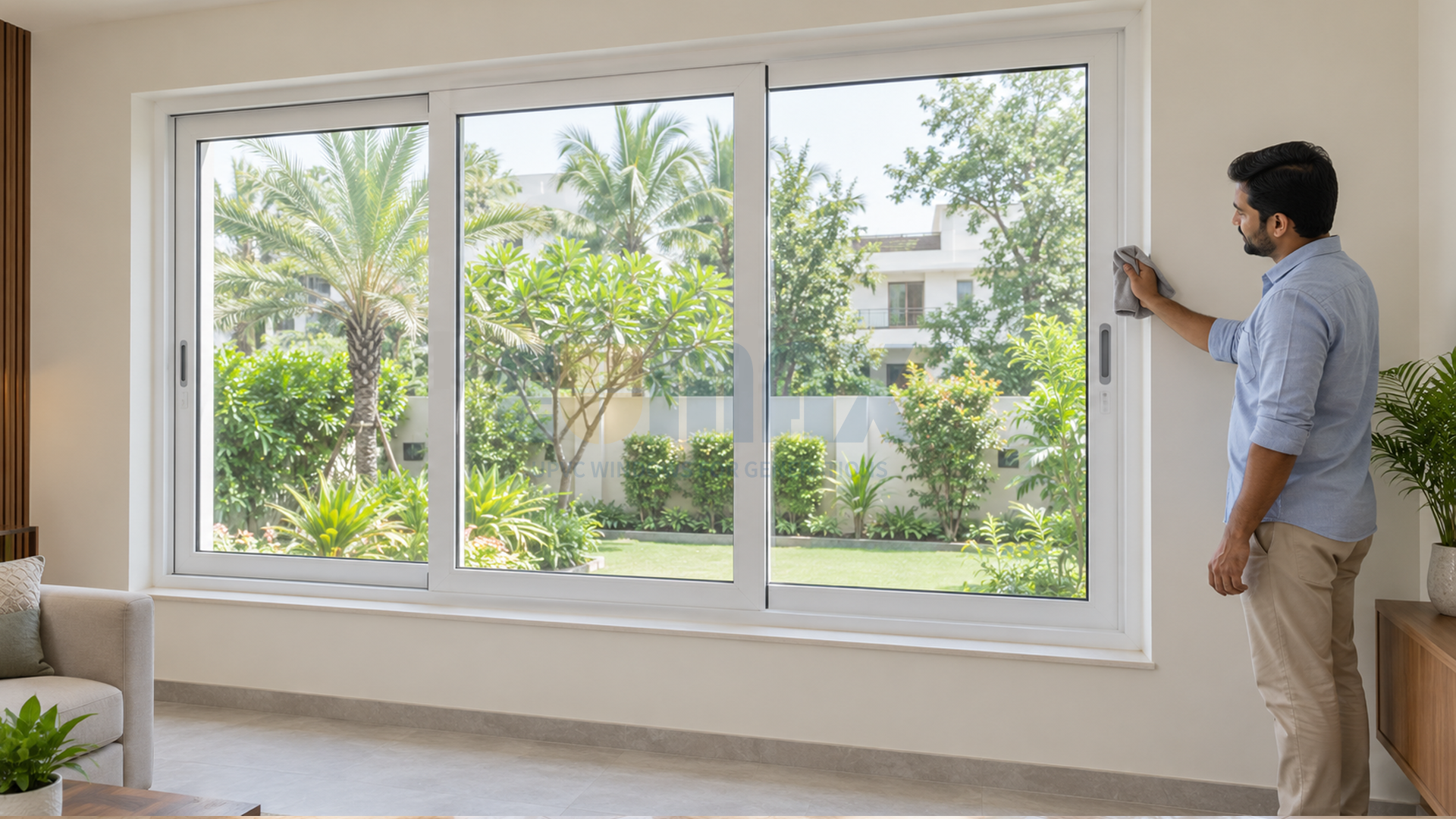
They don’t warp, swell, or crack like traditional materials.
uPVC windows help maintain indoor temperature, reducing dependency on ACs. This translates into:
In cities like Bangalore, traffic noise is unavoidable. Properly installed uPVC windows can significantly reduce external sound.
No repainting, no polishing—just occasional cleaning.
From minimalist frames to premium finishes, uPVC windows complement both residential and commercial architecture.
Most buyers focus on product specifications—but installation is where performance is truly defined.
A professional uPVC Window Installation involves:
Every opening is measured precisely to ensure a snug fit—no gaps, no forced adjustments.
Windows are fabricated based on exact dimensions, not approximations.
High-grade sealants and gaskets prevent:
Frames are installed perfectly level and square, ensuring smooth operation for years.
Every window is tested for:
This level of precision is what separates average installations from premium results.
Modern architecture demands both functionality and style. One of the most preferred options today is the 108mm Sliding Series.
For homeowners looking to maintain a consistent aesthetic across the property, combining uPVC windows and uPVC Designer Doors is a smart move.
Investing in quality installation saves money in the long run.
1–3 days depending on project size.
Yes, they handle Indian weather effectively.
Minimal—just regular cleaning.
Yes, through better insulation.
20–30 years with proper installation.
Yes, it ensures performance and durability.
uPVC Window Installation is one of the best choices for modern spaces, but its true value depends on precision installation.
Choosing the right installation partner ensures long-term performance, efficiency, and reliability.
Start with the right installation—it’s the smartest investment you can make.
The Indian housing market is evolving rapidly, with new homeowners demanding more intelligent, energy-saving, and trendy products. The windows and doors are important in enhancing comfort, air circulation, appearance, and energy conservation within a house. The rising demand has heightened the interest in the modern uPVC systems in the metro cities and in the tier-2 and tier-3 areas.
Durability is not the sole consideration in the uPVC doors and windows trends in 2026. The modern finishes, design flexibility, and performance advantages are factors that homeowners are opting for uPVC solutions. In the following, we discuss recent uPVC door and window trends in 2026 that are influencing Indian homes, as well as provide suggestions on how to select the appropriate uPVC window and door manufacturer for your project.
The increasing demand for narrow profiles and large glass surfaces is also one of the favorite choices in uPVC doors and windows trends in 2026. Slim uPVC frame is popular among homeowners who do not want to see too much visual clutter on their interiors and desire clean and modern interiors. The designs minimize the visible frame, allow greater natural light within the building, and provide clear, panoramic views without insulation losses.
This tendency is ideal regarding contemporary architecture, emphasizing openness and the existence of a smooth connection between the inside and the outside. Following the recent development in uPVC and windows suppliers, with the introduction of the slim frame system to withstand powerful winds, which were identified in the latest development as an effective design in 2026, most suppliers of uPVC have started to adopt the slim frame design to suit the needs of homes and high rises along the coastline of India.
Floor-to-ceiling windows are also becoming popular in current homes, among the top trends for uPVC doors and windows in 2026. These huge glass windows provide uninterrupted views, enhanced natural ventilation, and make the living areas look larger and more luxurious.
The uPVC systems would be an excellent fit for this kind of design as they offer durability in terms of structural support as well as thermal and sound insulation. With the emergence of uPVC doors and windows trends in the year 2026, builders and architects prefer uPVC due to its light weight, stability, and compatibility with the use of double or triple glazing, which helps the homes to keep cool even when temperatures are extreme in the summer seasons.
The uPVC doors and windows trends in 2026 are the shift away from the plain frames. Nowadays, homeowners are opting to paint bold colours and finishes that are textured to suit the modern interiors. Laminates made of wood-grains like teaks, walnuts, and oak provide the appearance of wood but do not require the level of care that conventional timber needs.
Wood textures are on the rise, as well as colours such as black, anthracite grey, and earthy browns, due to their high-end and modern look. To meet the changing trends in designing the uPVC doors and windows in the future (2026), major uPVC manufacturers have come up with fade-resistant colours and laminations that will prove effective in the Indian climate.
One of the areas in the uPVC doors and windows trends in 2026 is functionality. The number of designs adopted by homeowners is becoming easier to use and adjust to other areas. Tilt and turn windows, slide and fold systems, lift and slide doors, and top-hung windows are some of the options that are gaining popularity.
An illustration is the use of tilt and turn windows that are safe to ventilate, hence suitable for apartments. Slide-and-fold systems are very common in balconies and living rooms because they can provide very wide gaps that do not occupy space in the house. In line with future trends of uPVC doors and windows in 2026, most uPVC producers are also incorporating smart automation capabilities, with users of these doors and windows being able to manage their windows, ventilation, and shading via mobile apps or smart homes.
Among the uPVC doors and windows trends in 2026, the emphasis on the energy-efficient environment and noise minimization is considered one of the most significant. As temperatures are on the rise and the noise levels continue to rise in Indian cities, homeowners are gravitating towards high-performing window systems in order to ensure better comfort.
Energy-efficient glass in multi-chamber uPVC profiles can be used to minimize the heat intrusion and make indoor areas cooler. This reduces the air conditioning requirements and gives cost savings in the long term. Sound insulation has also become a consideration, particularly within residential properties that are close to highways or other urban hubs, as an extension of the current growing trends of uPVC doors and windows in 2026. In choosing uPVC windows and doors, buyers are now more concerned with the performance parameters such as insulation rating, quality of sealing, and strength of the overall building.
One of the biggest concerns in the uPVC doors and windows trends in 2026 is personalisation. Homeowners and designers are also shifting out of conventional designs and opting to use custom shapes of the windows to suit the various styles of the building. There is an increased use of arched, triangular, bay, and combination windows where fixed glass panels are combined with casement windows.
The uPVC enables a custom design to be made without reducing the strength and durability. In line with the trends of modernizing the uPVC doors and uPVC windows in 2026, the uPVC suppliers today provide a lot of customization, which can be used both in traditional Indian houses and in luxury villas.
In 2026, sustainability is exhibiting a significant role in the uPVC doors and windows trend. The homeowners are increasingly aware of materials that are environmentally friendly and the long-term environmental considerations when choosing windows and doors.
Recyclable uPVC, low-emissions coating, and energy-saving manufacturing techniques are employed in many of the leading manufacturers now. In relation to increased uPVC doors and windows, which are among the trends in 2026, consumers are opting to use solutions that will be durable with minimal maintenance. uPVC windows do not need frequent painting and polishing, and have a life span of years, thus they decrease wastage and are a smart, green investment in the present houses.
The right manufacturer choice is also one of the most significant trends of uPVC doors and windows in 2026. Even the most brilliant designs, such as uPVC Designer Doors and sophisticated designs such as the 108mm Sliding Series, can only deliver results when the manufacturing and installation processes are of high quality.
In order to achieve optimum performance of the modern uPVC doors and windows trends in 2026, the following are some of the factors to be considered:
The trends in the uPVC window design in 2026 point to the ideal balance between style, performance, and sustainability. Constituting the uPVC windows are defining the contemporary Indian homes, whether on slim frames that permit more natural light or smart windows that offer daily convenience to homes.
Since homeowners seek lasting, energy-saving, and future-proof solutions, it is important to settle on the right uPVC windows and doors manufacturer. Having right choice, uPVC windows have the power to not only make your house look great but also have greater comfort, efficiency, and value in the long run.
uPVC Hybrid Windows of South Indian Homes are one of the smart choices and strong products. The selection of the appropriate windows that you use in your house is determined by the local weather, design choice, and functionality. The weather in South India can be very hot, humid, or even rainy, so it is very important to choose the appropriate window material.
A combination window made of uPVC is the best choice to use in the city such as Hyderabad, Chennai, and Bangalore. They are powerful, efficient, can bear the weather, and need minimal maintenance.
In this blog, we shall elaborate on the various varieties of uPVC windows that can be used in South Indian houses, the advantages of using them, and how their prices are influenced.
Modern Indian home featuring stylish uPVC Combination Windows designed for the hot and humid South Indian climate.
uPVC is the abbreviation of unplasticized polyvinyl chloride, a tough and hard plastic substance that is utilized to manufacture windows and doors. Compared to ordinary PVC, uPVC lacks plasticizers, thus becoming tougher and more enduring.
UPVC is strong; hence, it is suitable for window frames due to its insulation abilities. It can resist:
This presents uPVC Combination Windows to be particularly appropriate in the changing climate conditions of South India.
Close-up of durable uPVC window frame showing strong uPVC profiles resistant to heat, rain,
and corrosion.
The uPVC windows are produced by heating the plastic powder and then framing it in the special moulds. The molten material is cast in moulds, where it is allowed to cool down, and pressed into powerful window frames.
The result is:
Homeowners have the option of various styles, sizes, and designs, including uPVC Combination Windows that transform two or more styles of windows into one frame, which is better ventilated, lit, and beautiful.
uPVC Hybrid Windows: A Smarter and even classier Option with the Modern Homes. uPVC combination windows. This is an ideal and stylish option for modern homes. They are window frames that can be styled to include the combination of two or more styles with a more superior performance and design flexibility.
With uPVC Combination Windows, you will have a chance to have better energy efficiency, less outside noise, and a design of the window, which fits perfectly into your house.
Benefits of uPVC Combination Window.
uPVC Combination windows are constructed to minimize heat exchange. They help in maintaining a cool environment in the house during hot seasons and keeping the house warm in cold seasons. This saves on energy consumption and electricity costs, particularly in the Indian climate.
Improved sound insulation is one of the greatest advantages of uPVC Combination Windows. These windows are efficient by blocking outside noise and providing a serene interior atmosphere by making combinations of styles of windows and powerful sealing systems.
The uPVC Combination Windows have allowed you to combine various types of windows to match the design of your home. Regardless of your modern style, traditional style, or minimal style, these windows can be tailored to suit your interiors and exteriors.
The style is a combination of casement windows, which are being opened, and the fixed glass panels. It enables good ventilation and has wide and clear views as well as maximum natural light.
Such an arrangement will provide a smooth sliding movement and tilt-turn range of operation to achieve ease of movement and cleanability. It is suitable for contemporary houses that require convenience and performance.
Casement and fixed panel uPVC Combination Window providing ventilation and wide outdoor
views.
The uPVC Combination Windows enable total design and functionality flexibility for the homeowners. They increase insulation, minimize noise, and improve the overall appearance of your house.
If you like a smooth modern look or a vintage style, uPVC Combination Windows can be safe, strong, and efficient to use, and also energy efficient, so that you can enjoy the comfort of staying in the house in the long run.
Unique uPVC Mixing Windows and Doors to all areas. In constructing a new house or remodeling a house, nothing is constructed without considering its design and functionality according to the space of the room. Homeowners desire to have their own flavor in their windows and doors, as well as interiors and the decor itself.
The uPVC Combination Windows and doors nowadays have several customization features to serve various designs, size and performance requirements. Frame styles are tailored to the type of glass; all can be custom-made to suit contemporary homes.
We are aware of this increasing demand and provide high-quality uPVC doors and windows that are produced through high German technology. These products are low maintenance and long-lasting and are made to last decades.
Choose between a great variety of frame styles, such as:
These frames may be specifically tailored to fit your space in terms of size and configuration.
Insert style using laminated uPVC Combination Windows and doors. You can choose from:
Laminations of wood finishes appear natural and at the same time are as durable as in uPVC.
The uPVC windows and doors come in a variety of colours. You may even select alternative colours for the inside and the outside.
Options include:
Such flexibility improves the interior and exterior design.
Glass is significant in terms of performance and looks. Combination Windows uPVC You can pick:
Select from:
Thermal insulation and energy efficiency are enhanced by the use of double- and triple-glazing. To facilitate enhanced safety, there is also toughened glass.
Keep your house insect-free without sealing up ventilations. Choose from:
These alternatives prevent mosquito presence and do not block airflow.
To provide additional security, you can afford to place decorative grills on your uPVC Combination Windows. These grilles may be mounted right onto the window frame, which is stronger and provides a more aesthetic appearance compared to the traditional types of installation.
Fit in your windows and doors with quality hardware including:
Quality hardware enhances functionality, safety, and the general look.
The uPVC Combination Windows can be custom-designed to provide:
A combination of the proper customization capabilities will ensure that you are able to accommodate the aesthetic requirements of your client and provide high-performing windows and doors that will last long.
Custom-built uPVC Combination Windows made with durable uPVC profiles for long-term performance.
The process of selecting suitable uPVC windows for any location throughout South India requires more than just picking a window design because it contributes to bettering comfort levels, energy saving, and safety performance. The superior durability, combined with the minimal upkeep requirements, of high-grade uPVC profiles, creates perfect insulation solutions for regions experiencing hot, humid, and wet weather conditions. The correct window selection between sliding windows and French designs and uPVC Combination Windows will improve both the visual aspect and functional capabilities of your residence. By considering the local climate, architectural style, and budget limitations, you can select windows that will deliver value for many years. The well-engineered uPVC Combination Windows from Hyderabad to Chennai and Bangalore deliver enduring strength, aesthetic appeal, and comfort through their use of top-quality uPVC profiles.
As Indian homeowners seek a balance of style, comfort, and energy efficiency, uPVC windows have become a popular option for modern homes. They are strong, weather-resistant, easy to maintain, and well-suited for India’s changing climate.
In this guide, we explain why uPVC sliding windows are among the best window options for Indian homes in 2026 and beyond, and how they meet the needs of today’s lifestyle.
What is uPVC Material and why is it so popular in modern homes? uPVC, or unplasticized polyvinyl chloride, is a strong and long-lasting material widely used for windows in today’s construction and renovation projects.
uPVC windows are widely known for their longevity, energy conservation, and low maintenance, making them a smart move for homeowners. In this guide, we explain what uPVC material is, its key benefits, and why uPVC windows are a practical decision for modern living.
What is uPVC Material? uPVC is a strong, rigid form of PVC designed to last. Unlike wood or aluminum, uPVC does not warp, crack, or rot over the years, making it an excellent choice for window frames.
uPVC is designed to withstand intense weather conditions and provides long-term durability without frequent maintenance. This makes it a reliable and cost-effective material compared to traditional window frame options.
uPVC windows are highly energy efficient and help maintain a comfortable indoor temperature throughout the year. Their multi-chamber design reduces heat transfer, keeping the house warm throughout winter and cool during summer.
The improved insulation system requires less heating and air conditioning, resulting in lower energy costs. uPVC windows provide modern homes with an affordable and energy-efficient solution.
uPVC windows are easier to maintain and require very little upkeep compared to wooden or aluminum windows. They do not need regular painting, polishing, or staining, and can be cleaned quickly using just soap and water.
This makes uPVC windows an extraordinary selection for busy homeowners seeking a durable, long-lasting, hassle-free window solution.
The endurance and longevity of uPVC windows make them a permanent solution for customers who need windows for their buildings. The windows remain protective against rust and corrosion while their appearance and functionality last for multiple decades.
Unlike wooden windows, which may crack or require frequent replacement, uPVC windows remain in good condition with minimal maintenance, making them a dependable long-term choice for homeowners.
uPVC windows are obtainable in a wide variety of colors, styles, and finishes, making it easier to match them with any home design. Whether you prefer a classic look or a modern style, uPVC windows offer flexible design options.
They can even replicate the appearance of wooden windows while providing the durability and low maintenance of a modern material. This design versatility helps homeowners achieve the exact look they want without compromising on performance.
uPVC windows are designed with strong security features to help keep your home safe. They are built with sturdy frames and advanced multi-point locking systems that make forced entry difficult.
This added level of protection gives homeowners peace of mind, knowing their home and family are well secured with reliable uPVC windows.
The uPVC windows achieve effective soundproofing because they block all external noise from entering. The product's multi-chamber design improves soundproofing, resulting in a more tranquil indoor space. The noise-reduction requirements of urban areas and the proximity of traffic make uPVC windows the perfect window solution for residential homes.
uPVC windows provide an eco-friendly option because the material uPVC can be recycled. The majority of manufacturers now adopt sustainable production methods, thereby reducing environmental impacts. In addition, the energy-efficient design of uPVC windows reduces energy usage and carbon emissions, making them a smart option for homeowners seeking a more sustainable, eco-conscious home.
The uPVC windows should be installed properly in order to perform optimally. A proper fit will avoid common issues such as air gaps, drafts, or water leaks. Experienced professionals should be recruited and high-quality uPVC windows selected to be made by reputed producers to ensure high durability, energy conservation, and long-term operation.
The diverse climate conditions in India, such as summer heat and monsoon humidity, may impair conventional window materials. uPVC is used to withstand weather conditions in India, as it does not absorb moisture, blocks high heat, and is a strong insulator of both heat and cold.
As there is increasing concern about the environment in terms of energy saving, and the building standards are also getting stringent in India, uPVC windows have emerged as a brilliant and feasible option. They are very efficient in terms of thermal performance, which enables them to keep air conditioning use to a minimum, lowering energy bills and promoting sustainability in the long run.
The use of uPVC windows is a wise decision for current homeowners who require stability, energy conservation, and a beautiful appearance. They need minimal care and upkeep, provide high security, and are available in a great variety of designs to fit any house. As sustainable building materials and long-lasting construction materials are on the rise, uPVC windows have been and will continue to be a favorite choice in new housing and remodeling. uPVC windows are appealing, and when they have the right combination of functionality and beauty, they can add long-term value to any property.
Are you planning to give your home or any working area a new outlook? uPVC Casement Windows are an intelligent decision to make any space look wonderful, comfortable, and efficient. This guide will make you realize how these windows can make a boring interior something modern and classy, and why they are the best solution for design and performance.
The uPVC windows have acquired immense popularity in recent years in India, the USA, and most parts of the world. They are favored by both homeowners and business owners because they offer an ideal blend of luxury, affordability, and longevity. When you are considering a renovation or intend to have high-quality windows that are stylish and at the same time affordable, uPVC doors and windows can be a sure bet.
The uPVC Casement Windows are some of the most environmentally independent, modern, and durable products to be used in residential and commercial properties. We shall discuss the main peculiarities and advantages of uPVC casement windows and the reasons why these windows remain one of the most popular options for modern buildings.
uPVC Casement Windows have a few practical advantages that are useful both in residential and commercial areas. The right windows will add a lot to the appearance of a space, along with the comfort and functionality. Their design is long-lasting and modern, making their uPVC casement windows a preferred choice for both homeowners and business owners. We will discuss the main advantages that make them an ideal choice.
The uPVC casement windows are offered in a variety of colours, styles, and designs. It is also easy to integrate them into various interior and exterior designs because of this flexibility, so you can achieve a clean, modern look that suits your taste.
Durability is a primary consideration when buying windows. uPVC Casement Windows are tough, durable, and long-lasting. They are not prone to corrosion, weather fluctuations, or moisture, thus minimizing the maintenance and prolonging their general life span.
uPVC casement is considered environmentally friendly. The fabric is recyclable and made from greener materials, and the production process is eco-friendly; thus, these windows are a solution for green building in the modern world.
Casement windows offer the best ventilation. uPVC Casement Windows provide maximum ventilation and admit plenty of natural light, establishing a fresh, bright, and comfortable interior.
The selection of the appropriate uPVC Casement Windows is a significant choice for any house or business facility. These windows provide a modern touch but are long-term performers. uPVC casement windows are available in many different varieties, designs, styles, and configurations, making it easy to find something that fits their space, requirements, and budget.
Identify your space before you choose uPVC Casement Windows. Other factors to consider include room size, ventilation needs, natural light, and use. Such information will help you select the window that suits your functional and design expectations.
The issues of cost are essential when it comes to the selection of uPVC casement windows, but the quality of the product must not suffer. Compare prices of various manufacturers and verify what comes with it, e.g., installation, hardware, and maintenance. Also, seek warranties and guarantees as an investment safeguard in the long term.
The spaces themselves are unique, and that is why uPVC Casement Windows are adjusted to numerous customisation variants. Manufacturers provide fully customised solutions to both residential and commercial needs with respect to size and colour, frame design, and the type of opening.
The durability and performance of the window are directly related to the quality of the uPVC material. Good-quality uPVC Casement windows are strong, weather-resistant, and durable. It should always scrutinize the material standards to get enhanced strength, safety, and value for money.
uPVC casement windows come in different shapes, finishes, and styles. It is up to you whether you would like a wood-finish appearance, a smooth modern outlook, or a traditional image: uPVC Casement Windows can be tailor-made so that they can add to the overall appearance of your space.
In summary, understanding the advantages of uPVC Casement Windows makes it easier to choose a window solution that is economical, long-lasting, and contemporary. These windows are known to be energy efficient, weather-resistant, and good-looking, as they complement functionality and aesthetics. The alternatives, such as the 60mm casement window series, are more performance-driven, making uPVC casement windows a feasible and cost-effective option in the contemporary residential and commercial sectors.
If you’re planning to upgrade your windows, uPVC sliding sash windows are a popular and stylish option. They combine a classic, timeless design with modern performance, and features like sash horns add to their traditional look.
With so many choices available, selecting the right uPVC sliding sash windows can feel confusing. That’s why it’s important to understand the key things to look for before buying. In this article, we’ll cover the main elements you need to consider so you can choose the best uPVC sliding sash windows for your home.
Here are five important things to know before buying uPVC replacement windows. Being aware of these points will help you select windows that fit your home, style, and budget.
Energy efficiency is a core factor when choosing uPVC sliding sash windows. Properly insulated windows reduce heat loss from your home, maintain warmth during winter, keep interiors cooler in summer, and help cut energy costs.
When buying, look for A-rated or A+ rated uPVC windows, as these are designed to limit heat transfer and improve insulation. Choosing energy-efficient sliding sash windows not only increases comfort but also makes your home more cost-effective and environmentally friendly.
The materials used in uPVC sliding sash windows play a major role in their strength, lifespan, and overall performance. Always choose windows made from high-quality uPVC, as it is long-lasting, weather-resistant, and easy to maintain.
Look for multi-chambered uPVC profiles, as these improve insulation and add extra strength to the window frame. Compared to timber or aluminium, uPVC windows offer an excellent balance of energy efficiency, durability, and low maintenance. In some projects, composite windows can also be considered for enhanced insulation, security, and long-term performance.
When choosing uPVC sliding sash windows, security should always be a top priority. Look for windows that include key-operated locks, multi-chambered profiles, and toughened or laminated glass for added protection.
Reinforced window profiles made of steel or composite materials improve strength and durability. For extra peace of mind, consider windows with a PAS 24 security upgrade, as they meet strict UK security standards and help protect your home from intruders.
Customisation is equally important. Every home has a unique style, so choose uPVC sliding sash windows that offer a variety of colours, finishes, and hardware options. Decorative sash horns, glazing bars, and other design details can enhance the look while maintaining safety and performance.
uPVC tilt-and-turn windows are a smart alternative if you’re looking for practical, secure replacement windows. They offer an excellent balance of comfort, safety, and convenience.
These windows are easy to clean because the sash tilts inward, allowing you to safely reach the outer glass from inside your home. Their controlled opening system limits how far the window can open, making them a safe choice for homes with children. They also provide great ventilation and strong security, making them ideal for modern living spaces.
uPVC casement windows are hinged windows that open outward or inward, making them a popular option for homeowners seeking reliable uPVC replacement windows. They are easy to operate and provide a clear, unobstructed view of the outdoors.
These windows allow plenty of natural light and fresh air into your home, creating a bright, comfortable environment. Thanks to their flexible design, uPVC casement windows can be customised to suit almost any window size or opening, working well in both modern and traditional homes.
When buying uPVC windows, it’s important to think about the handle design and finish. Window handles come in a wide variety of styles, colours, and finishes, allowing you to match them with your interior décor.
Choosing the right handle not only enhances the look of your windows but also adds to the overall style of your room. Select a design that suits your home’s aesthetic while offering comfort and ease of use.
When choosing uPVC sliding sash windows, it is essential to emphasise factors such as energy efficiency, material quality, security features, customisation options, manufacturer reliability, and professional installation.
At Eumax, we specialise in supplying and installing high-quality uPVC sliding sash windows in Bangalore. We partner with reliable manufacturers to deliver durable, energy-efficient, and fully customisable windows. Our experienced installation team ensures clear communication, smooth execution, and complete customer satisfaction, and all windows come with a comprehensive warranty.
Contact us today for a free personalised quote and upgrade your home with premium uPVC sliding sash windows designed to last.
Selecting the right uPVC sliding sash windows can make a major difference in your home’s comfort, energy efficiency, security, and style. By considering energy performance, material quality, security features, design options, and proper installation, you’ll be better prepared to invest in windows that truly elevate your space.
At Eumax uPVC, you’ll find high-quality window profiles and sliding windows built for strength, smooth operation, and long-term performance. Their multi-chambered profiles provide excellent thermal and sound insulation, durable construction, and customisable options to match your home’s design. Eumax also offers a wide range of sliding window series, including 50 mm, 60 mm, 80 mm, and 88 mm profiles, each engineered for different needs and spaces.
With a focus on quality, energy efficiency, and modern aesthetics, Eumax uPVC windows are designed to keep your home comfortable, secure, and stylish for years to come. Whether you’re installing new windows or upgrading existing ones, consider these top five factors to make a confident, informed choice.
Choosing the right door for your home is about more than just security—it’s a design decision that directly impacts your home’s aesthetics, comfort, and functionality. With modern homeowners prioritising durability, energy efficiency, and style, uPVC door design has emerged as one of the most preferred choices for both contemporary and traditional homes.
At Eumax uPVC, doors are designed to complement diverse architectural styles while delivering long-term performance. This blog will help you in selecting the perfect uPVC door that blends seamlessly with your home’s architecture and lifestyle.
uPVC (unplasticised polyvinyl chloride) doors have earned a reputation for superior performance compared to traditional wooden or metal doors. They are resistant to moisture, termites, corrosion, and harsh weather, making them ideal for Indian climates.
When chosen correctly, a well-planned uPVC door design can elevate both the exterior and interior appeal of your home.
Before you choose a door, take some time to understand your home’s architectural style. Each design has its own ideal door type, with different colors, placements, and uses.
Modern homes have clean lines, simple details, and open spaces. Sliding or large glass-panel doors with slim frames suit this style well, letting in lots of natural lighting and connecting indoor and outdoor areas.
Classic or traditional homes look best with doors that have balanced shapes, neutral colors, and simple details. Casement or panel-style uPVC doors add elegance and are also durable.
Villas look impressive with large doors that make a grand entrance. Custom uPVC doors with high-quality finishes and wide openings add a touch of luxury while keeping the home secure and well-insulated.
Different areas of your home require different door configurations. Selecting the right type ensures both functionality and design harmony.
Ideal for balconies, porches, and garden-facing areas, sliding doors save space and provide uninterrupted views. Eumax’s 108mm Sliding Series suits wider openings and offers smooth operation, better load-bearing capacity, and enhanced insulation.
Casement uPVC doors open inward or outward and suit main entrances or utility areas. They offer outstanding ventilation and a tight seal, making them energy-efficient.
For homes that embrace openness and symmetry, French-style uPVC doors create a classic yet modern look. They work well between living spaces and outdoor areas.
A door should aesthetically connect the interior and exterior design of your home. Colour, finish, and glazing play a crucial role in achieving this balance.
Eumax uPVC doors offer customisation options to ensure your uPVC door design complements your home’s overall theme.
Home security has always been a major concern for homeowners, especially for main doors and balcony doors. Nowadays, uPVC doors are designed to be both strong and elegant, giving them a sleek appearance.
These features ensure peace of mind while maintaining a sleek, modern appearance.
One of the most significant advantages of uPVC doors is their insulation performance. Properly designed doors help regulate indoor temperatures, decreasing the need for excessive air conditioning or heating.
For homes in busy urban areas, uPVC doors with double glazing significantly reduce outside noise, creating a calm and comfortable living environment. Choosing the right uPVC door design contributes to long-term energy savings and better indoor comfort.
Every home is unique, and your door should reflect that individuality. Eumax uPVC offers customised solutions tailored to specific architectural requirements.
From specialised glass combinations to premium finishes, even uPVC designer doors can be crafted to match unique layouts and design preferences without compromising on performance.
uPVC doors are practically maintenance-free compared to wooden doors, which need polishing, and metal doors, which rust. Just a simple, easy wipe with a wet cloth keeps the doors looking new for years.
Investing in a high-quality uPVC door design is not just about style but also a wise financial decision for homeowners.
Eumax uPVC is proud of its doors, known for their modern technology, good looks, and reliability. Made with high-quality materials and modern manufacturing, these doors are built to withstand the requirements of today’s buildings.
If you are building a new home or updating your current one, Eumax uPVC doors offer a great blend of style and performance.
Picking the right door plays a significant role in your home’s look and feel. If you know your home’s style, choose the right type of door, and pay attention to quality, you’ll end up with something that looks great and works well.
A well-chosen uPVC door complements your home’s style and provides comfort, security, and long-lasting performance. Eumax uPVC doors are a wise choice if you want something modern and built to last.
When considering home interior decoration, windows and doors play a far more critical role than most homeowners realise. Modern homes today focus on aesthetics, energy conservation, and long-lived strength, and selecting the right uPVC colour profile is one of the best strategies for achieving all three. uPVC has become the top choice for homeowners in India because it is elegant, weather-resistant, and exceptionally low-maintenance. But the colour profile you select can absolutely transform your space, making it look brighter, warmer, or more luxurious.
In this thorough guide, we will help you identify the primary uPVC color profile for your residence based on your aesthetic preferences, performance requirements, and long-term maintenance needs. Additionally, we will elucidate the reasons behind the ongoing trend of utilizing high-quality systems, such as the 108mm Sliding Series and premium uPVC Designer Doors, in modern Indian homes.
The colour of your windows and doors is not just a stylistic choice; it affects heat absorption, exterior harmony, interior mood, cleaning needs, and long-term value. A well-selected uPVC colour palette promptly enhances your home's appeal and ensures it looks cohesive and elegant for years.
Every house has its specific colour tastes. A modern house may look very nice with whites and greys, minimalist and simple, while classical villas could be happy with wood-finish profiles. The choice of the right uPVC colour look-up table can substantially influence the architectural theme and even the matching of the design elements.
Heat is absorbed more by darker frames, while lighter colours reflect the sun. This is significant in Indian meteorological conditions, as it affects indoor temperatures. A beautiful palette of colours, combined with energy-efficient construction such as the 108mm sliding system, enhances the house's energy efficiency.
The selection of colour plays an essential role in maintaining your house. Some colours tend to look cleaner for longer and thus require less frequent wiping. If you go for a matte finish, it will hide dust, but a glossy surface will show smudges very well. An appropriate colour profile saves maintenance effort while making your house look new.
The latest uPVC technology offers a broad palette of colours and textures so homeowners can find the perfect match. Here are the most popular uPVC colour form options that work beautifully across different interior and exterior themes.
White remains the timeless favourite. It gives the areas an impression of brightness, openness, and modernity, ideal for dwellings, mansions, and workplaces.
Best for: Minimalistic styles, modern homes, oceanic themes.
From light grey to deep charcoal and jet black, these stylish shades are trending among premium home designs. They add a bold, elegant look, especially in modern architecture.
Best for: Luxury apartments, modern villas, and industrial theme interiors.
If you adore the woody, warm atmosphere yet also seek uPVC durability, then wood-laminated color profiles are genuinely the best option. The finishes of Oak, Walnut, Mahogany, and Teak will impart a rich, classic beauty to your residence, without the disadvantages of natural wood.
Best for: Traditional homes, cottages, large bungalows, nature-inspired interiors.
Choosing a uPVC colour tone is simpler when you consider design style, climate, and performance needs. Here’s a simple guide to help you decide.
The colors of your windows and doors must flow with the lines of interiors and exteriors.
Modern architecture: Prefer blacks, anthracite greys, or metallic shades. Traditional or rustic homes: Match wood-grain finishes. Bright, airy spaces: Select white or off-white tones. Industrial look: Matte black uPVC frames are ideal.
Before completing, visualize the frame colour against the wall paint, flooring, and furniture. An interconnected look can immediately elevate your home's aesthetic.
India is exposed to very intense sunlight, especially in coastal and urban areas. Darker colors can absorb more heat, potentially raising indoor temperatures.
Lighter colours reflect sunlight, keeping rooms cooler. Pairing your chosen uPVC colour profile with efficient systems, such as the 108mm sliding window series, delivers better insulation and energy savings.
If you want darker colours, make sure the profiles include UV-resistant coating to prevent fading.
While uPVC is certainly low-maintenance, different colours behave differently:
Dust will be more visible on white uPVC frames; however, they are very easy to clean and will continue to look fresh with minimal effort. The wood-look frames, in contrast, do not show dust at all and give a warm, luxurious look that remains classy for a long time. Black and other dark colours give a rich, trendy look, but fingerprints are usually more noticeable; a matte finish mitigates the problem and keeps the frames elegant.
Choose a uPVC frame colour that suits your lifestyle — especially if you prefer minimal cleaning.
Different window styles appear more attractive with particular colors:
The sliding windows of the 108mm premium sliding range are so designed that black and grey tones are particularly elegant and impart a modern, sophisticated look to the space. Casement windows pair beautifully with white, beige, and wood-finish profiles, allowing them to blend seamlessly with both contemporary and traditional interiors. For French windows or doors, wood-finish profiles offer a stunning classic appeal, adding warmth and timeless charm to any home.
Also, large windows look better in neutral colours so they don’t overpower the room.
uPVC color profiles that use top-quality foil lamination or co-extruded color layers guarantee long-term color stability. This means the frames will not lose their color, nor will they peel or become discolored from exposure to sunlight, especially during the Indian summer, which is hot and humid.
Always choose profiles from trusted brands like Eumax uPVC, known for superior durability, UV protection, and stunning colour choices.
Besides the windows, the ideal doors not only look good but also function well. uPVC premium doors feature excellent colour profiles and robust, weatherproof frame systems. They provide:
The best uPVC colour range is the one that creates the perfect look, whether you prefer a natural wood-grain door for your front entrance or a shiny grey finish for your sliding door to the balcony.
The Booming popularity of the 108mm uPVC sliding series
Sliding windows and doors are now the trendiest and most popular for modern houses because of their easy operation, modern design that saves space, and wide openings. The 108mm advanced sliding series is acclaimed for:
When combined with the right uPVC colour designs, the 108mm architectural sliding system transforms your home into a contemporary masterpiece.
Here are innovative colour suggestions for different rooms:
Choosing the perfect uPVC colour profile is more than picking a shade — it's about balancing style, performance, and long-term usefulness. Whether you prefer classic white frames, stylish greys, or rich wood finishes, the right colour profile can improve equally the interior and exterior of the home.
Pairing your colour choice with high-performance systems like the 108mm sliding frame system and premium uPVC aesthetic doors ensures that your home stays beautiful, energy-efficient, and low-maintenance for years to come.
Explore premium uPVC colour options and installations at Eumax uPVC, where design meets durability for the perfect modern home upgrade.
In today’s climate, where rising temperatures and long summers have become the new normal, keeping your home cool without increasing electricity bills is a priority for every homeowner. One of the most efficient ways to naturally regulate your indoor temperature is through thermal insulation, an idea that plays a substantial role in modern, energy-efficient home design.
While many homeowners invest in air conditioners or cooling systems, few realize how much heat actually enters the house through windows. That’s where uPVC windows come into the picture. Engineered with advanced technology and multi-chambered designs, uPVC windows are among the best solutions for improving thermal insulation and maintaining a cooler, more comfortable home.
At Eumax uPVC, we specialize in manufacturing high-performance uPVC windows that not only elevate aesthetics but also significantly improve your home’s energy efficiency. In this guide, we will break down how thermal insulation works and why uPVC windows, especially our premium 60mm casement window series, are one of the smartest investments for modern homeowners.
Before understanding how uPVC windows help, let’s decode the concept of thermal insulation.
Thermal insulation is the process of reducing heat transfer between the inside and the outside of a building. This means keeping heat out during summers and avoiding warmth from escaping during winters.
Good thermal insulation produces:
When your home is well-insulated, it requires less artificial cooling, making the environment more sustainable and energy-efficient.
Windows are among the most significant contributors to heat gain. Poor-quality or single-pane windows let outside heat in easily, compelling your AC to work harder. uPVC windows solve this problem efficiently.
uPVC (Unplasticized Polyvinyl Chloride) is a powerful, strong, and energy-efficient material that has become a global favourite for window and door systems. Unlike metal or aluminum, which conduct heat, uPVC acts as a natural insulator.
Here are the reasons why uPVC windows excel at thermal insulation:
Eumax uPVC window profiles feature multiple air chambers. These chambers act as barriers, preventing heat from passing through the frame.
More chambers = better thermal insulation = cooler home.
Our windows come with double- and sometimes triple-sealing systems that block hot air, dust, and noise from entering the home. These seals also minimize air leakage, which is crucial for maintaining indoor temperature.
uPVC frames support double- and triple-glazing—two or three layers of glass with insulating gas in between.
This creates a thermal buffer that prevents external heat from entering.
Unlike metals, uPVC does not absorb heat. It remains cool to the touch even on the hottest summer day.
This significantly improves the window’s thermal insulation.
uPVC windows do not warp, expand, or contract with temperature changes.
This ensures the sealing and insulation properties remain intact for years.
At Eumax uPVC, our products are outstanding not just for their design but for their advanced engineering. Each window is designed to deliver superior thermal insulation, energy savings, and enduring performance.
Here’s what makes our uPVC windows unique:
Our multi-compartment profiles are engineered with accuracy to trap air and minimise heat transfer.
We use high-grade uPVC that is lead-free, weather-resistant, and highly durable.
Eumax uses state-of-the-art technology to ensure every window is perfectly aligned, sealed, and structurally strong.
Our windows are specifically designed to reduce heat gain—cutting cooling bills by up to 30%.
One of our most favored environmentally friendly products is the 60mm casement window range.
Key characteristics include:
This window series is ideal for bedrooms, living rooms, study rooms, and even office spaces because of its insulation and noise-reduction benefits.
If you choose modern aesthetics and space-conscious designs, our uPVC sliding glass windows are an ideal option. They provide excellent insulation while also allowing generous natural light and ventilation. With high-quality rollers and reinforced frames, they ensure durability without compromising on energy performance.
Let’s break down how thermal insulation from uPVC windows influences your home during the warmer months.
The insulating frame and glazing barrier reduce heat transfer through conduction into your room.
Tight rubber seals prevent hot air from creeping in.
With less heat flow, your AC works more efficiently, cooling the room faster and keeping it cooler longer.
Less heat means less strain on your air conditioner, leading to lower electricity bills.
Poorly installed windows often cause hot pockets near the frame. uPVC windows eliminate these variations.
The more efficient your window is at thermal insulation, the more comfortable your home environment becomes.
While most people worry about summer heat, thermal insulation is equally essential during winter. uPVC windows trap warmth inside and keep cold air out, offering year-round comfort.
This mutual benefit makes uPVC windows one of the most economical long-term investments for homes in different temperatures.
While their capability to strengthen thermal insulation is a sturdy advantage, uPVC windows also accompany various further benefits:
Ideal for homes near traffic, airports, or busy streets.
Withstand heavy rains, storms, and UV exposure.
No painting, no polishing—just regular cleaning.
Durable material that lasts for decades without deterioration.
Multi-point locking systems and strong frames ensure safety.
At Eumax uPVC, we don’t just manufacture windows—we engineer comfort.
Our windows undergo:
Each product is crafted to deliver maximum thermal insulation for years, no matter the climate.
As temperatures continue to rise, upgrading your home’s insulation has become more important than ever. uPVC windows are one of the most efficient ways to improve thermal insulation, conserve energy, and create a comfortable indoor environment. With advanced features, multi-chambered profiles, and durable construction, Eumax uPVC windows keep your home cooler in summer and warmer in winter.
Whether you choose our uPVC sliding windows or the premium 60mm frame window series, you can be assured of superior performance, long-lasting durability, and enhanced comfort.
If you’re looking to transform your home with better energy efficiency and modern design, Eumax uPVC is your trusted partner.
In today's construction and renovation landscape, choosing the right materials for windows and doors can significantly impact your home's energy efficiency, security, and aesthetic appeal. Among the various options available, UPVC (Unplasticized Polyvinyl Chloride) has emerged as a leading choice for homeowners and builders alike. If you're planning a new construction project or considering an upgrade to your existing property, understanding the UPVC Profiles Catalogue is essential to making informed decisions that will serve you well for decades to come.
Before diving into the catalogue specifics, it's important to understand what UPVC profiles are and why they matter. UPVC profiles form the framework of windows and doors, providing structural integrity, insulation properties, and the mounting system for glass and hardware. Unlike regular PVC, UPVC contains no plasticizers, making it rigid, durable, and highly resistant to environmental factors.
The quality of UPVC profiles directly influences the performance of your windows and doors. A comprehensive UPVC Profiles Catalogue showcases various profile systems, each designed with specific features to meet different architectural requirements and performance standards.
When you browse through a modern UPVC Profiles Catalogue, you're not just looking at product specifications—you're exploring solutions that address real-world challenges. Today's catalogues feature profiles engineered with advanced technology to provide:
Contemporary UPVC profiles incorporate multi-chamber designs that create thermal barriers, significantly reducing heat transfer. This translates to lower energy bills and a more comfortable living environment throughout the year. The latest UPVC Profiles Catalogue editions highlight profiles with enhanced thermal performance ratings, often exceeding traditional materials by substantial margins.
Modern profile systems featured in the UPVC Profiles Catalogue come with reinforcement options that provide exceptional security. These profiles accommodate multi-point locking systems and steel reinforcement, making unauthorized entry extremely difficult while maintaining the aesthetic appeal of your property.
One of the most compelling reasons to explore the UPVC Profiles Catalogue is the long-term value proposition. UPVC profiles resist corrosion, don't rot or warp, and require minimal maintenance. A simple cleaning routine is all that's needed to keep them looking pristine for years.
When reviewing a UPVC Profiles Catalogue, several critical features deserve your attention:
Advanced profiles feature multiple chambers within their structure, creating insulation
pockets that trap air and enhance thermal performance. Look for profiles with at least five
or six chambers for optimal energy efficiency.
Modern manufacturing techniques allow for co-extrusion, where different colored layers are fused during production. This means the color isn't just a surface coating but an integral part of the profile, ensuring long-lasting aesthetics without fading or peeling.
Quality profiles incorporate sophisticated drainage systems that efficiently channel away rainwater and condensation, preventing moisture accumulation that could compromise performance or lead to structural issues.
The best profiles in any UPVC Profiles Catalogue are designed to accommodate contemporary hardware systems, including concealed hinges, advanced locking mechanisms, and smart home integration options.
A comprehensive UPVC Profiles Catalogue typically categorizes profiles based on their intended application:
These profiles are designed for windows that open outward or inward on hinges. They offer
excellent ventilation control and are popular in both residential and commercial settings.
Modern casement profiles feature slim sightlines that maximize glass area while maintaining
structural integrity.
Sliding systems require profiles with smooth tracks and robust rollers.
Contemporary sliding profiles offer impressive spans without compromising structural stability,
making them ideal for creating panoramic views and seamless indoor-outdoor transitions.
These versatile profiles support windows that can both tilt inward for ventilation and swing open like doors for easy cleaning. The profiles must accommodate complex hardware while maintaining excellent sealing properties.
For those seeking elegance combined with functionality, French door profiles provide the classic aesthetic of traditional French doors with all the benefits of modern UPVC technology.
Modern UPVC profiles are no longer limited to plain white. Today's catalogues showcase an impressive range of colors and finishes, including:
When exploring a UPVC Profiles Catalogue, pay attention to energy ratings and industry certifications. Quality profiles typically feature:
These specifications help you select profiles that meet or exceed local building codes while contributing to sustainable construction practices.
One of the advantages of modern UPVC doors and windows is the extensive customization available. Profile systems can be configured to create:
Selecting from a UPVC Profiles Catalogue requires consideration of several factors:
Choose profiles with appropriate thermal performance for your region. Coastal areas may require profiles with enhanced corrosion resistance, while regions with extreme temperatures need superior insulation properties.
Ensure the profiles complement your building's design. Heritage properties might benefit from profiles with traditional proportions, while modern buildings can showcase slim, minimalist profiles.
While initial costs vary, consider the lifecycle value. Premium profiles may cost more upfront but deliver superior performance and longevity, ultimately providing better value.
Some profile systems are easier to install than others. If you're working with contractors, discuss which systems they're most experienced with.
The latest UPVC profiles incorporate features that future-proof your investment:
Exploring the UPVC Profiles Catalogue is an essential step in any window or door selection process. The comprehensive range of profiles available today offers solutions for virtually any architectural requirement, climate condition, or aesthetic preference. By understanding the features, benefits, and options presented in modern catalogues, you can make informed decisions that enhance your property's comfort, security, and value.
Whether you're building new, renovating, or simply replacing aging windows and doors, taking time to thoroughly review the UPVC Profiles Catalogue will ensure you select products that deliver optimal performance for decades to come. The investment in quality UPVC profiles pays dividends through energy savings, reduced maintenance, enhanced security, and improved property value—making it one of the smartest choices in modern construction.
As you embark on your project, consult with experienced suppliers and installers who can guide you through the catalogue options and help you select the perfect profiles for your specific needs. The right UPVC profiles transform houses into comfortable, efficient, and beautiful homes that stand the test of time.
In the ever-evolving world of home design and architecture, homeowners are constantly seeking solutions that combine aesthetic appeal with practical functionality. Among the many innovations that have transformed residential spaces, Eumax UPVC Sliding Windows stand out as a remarkable choice that perfectly balances elegance and efficiency. These contemporary window systems have revolutionized how we think about natural light, ventilation, and energy conservation in our homes.
UPVC Sliding Windows have become increasingly popular among architects, builders, and homeowners who understand the value of quality materials and smart design. UPVC, which stands for Unplasticized Polyvinyl Chloride, is a durable, low-maintenance material that offers exceptional performance across various climates and conditions. Unlike traditional wooden frames that warp, rot, or require frequent painting, or aluminum frames that conduct heat and cold, UPVC provides a perfect middle ground that addresses multiple concerns simultaneously.
The sliding mechanism of these windows represents a departure from conventional casement or hung window designs. Instead of opening outward or upward, UPVC Sliding Windows glide horizontally along tracks, creating a seamless transition between indoor and outdoor spaces. This simple yet elegant operation makes them particularly suitable for modern architectural styles that emphasize clean lines, minimalism, and functional beauty.
One of the most compelling aspects of UPVC Sliding Windows is their ability to enhance
the visual appeal of any home. These windows come in a wide range of designs, colors,
and finishes that can complement various architectural styles, from contemporary minimalist
homes to traditional residences seeking a modern upgrade.
The sleek profiles of UPVC frames allow for larger glass surfaces, maximizing natural light and creating an illusion of expanded space. This design philosophy aligns perfectly with modern architectural trends that prioritize openness and connection with the outdoors. Floor-to-ceiling sliding windows can transform a simple living room into a bright, airy sanctuary that blurs the boundaries between interior and exterior environments.
For homeowners concerned about aesthetics, it's worth noting that while UPVC comes in various colors and wood-grain finishes, many wonder: Can UPVC Windows Be Painted? While technically possible with specialized paints, it's generally not recommended as UPVC is designed to maintain its appearance without painting. The material's inherent color stability and resistance to fading mean that your windows will retain their fresh appearance for decades without the need for repainting, which is actually one of their key advantages.
Beyond their visual appeal, UPVC Sliding Windows deliver exceptional energy efficiency that
translates into real savings on utility bills. The multi-chambered design of UPVC frames creates
effective thermal barriers that prevent heat transfer between the interior and exterior of your home.
This insulation property helps maintain comfortable indoor temperatures year-round, reducing the
burden on heating and cooling systems.
The energy efficiency of these windows extends beyond just the frame material. When combined with double or triple-glazed glass units, UPVC Sliding Windows create a comprehensive thermal envelope that can significantly reduce energy consumption. The tight seals achieved by quality sliding mechanisms prevent air leakage, eliminating drafts that are common with older window systems.
In an era where environmental consciousness and cost-effectiveness are paramount, investing in energy-efficient windows makes both ecological and economic sense. The initial investment in quality UPVC windows typically pays for itself within a few years through reduced energy bills, while also increasing your property's value and appeal to environmentally conscious buyers.
The sliding operation of these windows offers numerous practical advantages that make them ideal for contemporary homes. Unlike windows that swing open, UPVC Sliding Windows don't require clearance space on either side, making them perfect for areas where space is at a premium. This feature is particularly valuable in urban homes, balconies, or rooms with limited floor space.
The horizontal sliding mechanism also provides excellent ventilation control. You can adjust the opening width precisely to achieve your desired airflow, from a small crack for gentle ventilation to fully open for maximum air circulation. This level of control is especially appreciated in unpredictable weather conditions where you want fresh air without inviting strong winds or rain into your home.
Safety is another significant consideration, and UPVC Sliding Windows excel in this area. Modern sliding windows can be fitted with advanced locking systems that provide multiple locking points along the frame, making them considerably more secure than traditional windows. The robust nature of UPVC material, combined with quality hardware, creates a formidable barrier against intrusion attempts.
In our busy modern lives, time is perhaps our most precious resource. UPVC Sliding Windows require minimal maintenance compared to other window types, freeing up your time for more enjoyable activities. The smooth, non-porous surface of UPVC resists dirt accumulation and can be easily cleaned with mild soap and water. There's no need for scraping, sanding, or repainting that wooden windows demand.
The sliding tracks, while requiring occasional cleaning to prevent dust buildup, are designed for easy access and maintenance. Most quality UPVC doors and windows feature drainage holes that prevent water accumulation and removable panels that simplify cleaning and servicing. This user-friendly design ensures that your windows will continue to operate smoothly for many years with minimal intervention.
When investing in home improvements, longevity is a critical consideration. UPVC Sliding Windows are renowned for their exceptional durability and can last 20-30 years or more with proper care. The material is inherently resistant to moisture, termites, corrosion, and UV radiation, threats that can compromise other window materials over time.
This durability extends to the color and finish of UPVC windows. Unlike painted surfaces that fade and chip, UPVC maintains its appearance throughout its lifespan. The color is integrated into the material itself, meaning that scratches and wear won't reveal a different underlayer. This characteristic ensures that your windows will continue to enhance your home's appearance for decades.
In addition to thermal insulation, UPVC Sliding Windows provide excellent acoustic
insulation, an often-overlooked benefit that significantly enhances quality of life.
The dense UPVC material, combined with properly sealed glazing units, creates an effective
sound barrier that reduces external noise pollution.
This feature is particularly valuable for homes located near busy streets, airports, or other noise sources. The ability to enjoy peace and quiet within your home, even in noisy urban environments, contributes to better sleep quality, reduced stress, and an overall improved living experience.
For environmentally conscious homeowners, UPVC Sliding Windows present a sustainable choice. The energy efficiency of these windows directly reduces your carbon footprint by decreasing the energy required for heating and cooling. Additionally, UPVC is a recyclable material, and many manufacturers now use recycled UPVC content in new window production.
The longevity of UPVC windows also contributes to their environmental credentials. By lasting for decades without needing replacement, they reduce the frequency of manufacturing, transportation, and installation activities associated with window replacement, all of which have environmental impacts.
When considering UPVC Sliding Windows for your home, it's important to work with reputable manufacturers and installers who use quality materials and proven installation techniques. The performance of your windows depends not just on the UPVC material itself, but on the quality of the hardware, glazing units, and installation workmanship.
Look for windows with multi-point locking systems, quality rollers for smooth operation, and appropriate weather sealing. The glazing should be suited to your climate, with double or triple glazing recommended for optimal energy efficiency. Professional installation ensures proper alignment, sealing, and operation, maximizing the benefits of your investment.
UPVC Sliding Windows represent a perfect synthesis of form and function for modern homes. They deliver elegant aesthetics that enhance any architectural style while providing practical benefits including energy efficiency, security, sound insulation, and low maintenance requirements. The sliding operation offers space-saving advantages and precise ventilation control, while the durable UPVC material ensures decades of reliable performance.
As homeowners increasingly seek solutions that combine immediate appeal with long-term value, UPVC Sliding Windows emerge as a clear choice that meets and exceeds these expectations. Whether you're building a new home or upgrading existing windows, investing in quality UPVC sliding windows is a decision that will pay dividends in comfort, efficiency, and aesthetic satisfaction for years to come. In the landscape of modern home improvements, few choices offer such a comprehensive package of benefits, making UPVC Sliding Windows truly the perfect blend of elegance and efficiency for contemporary living.
| Window Type | Typical Lifespan | Maintenance Needs |
|---|---|---|
| UPVC | 50 + years | Minimal; does not rust, rot, or attract termites. Occasional cleaning only. |
| Wood | 20–60 years | Requires regular painting, sealing, and protection against warping, rot, and pests. Can last longer if maintained well. |
| Factor | Best Choice | Why |
|---|---|---|
| Durability | UPVC | Resistant to rot, warp, insects, and weather |
| Maintenance | UPVC | Only needs occasional cleaning |
| Cost | UPVC | Lower initial/long-term costs, affordable installation |
| Authentic Style | Wood | Unbeatable traditional charm and heritage looks |
| Energy Efficiency | UPVC | Superior insulation, reduces energy usage |
| Green Credentials | Tie | UPVC is recyclable; wood is renewable if managed well |
| Custom Finishes | Tie | Both can be tailored; UPVC offers wood-effect designs |